




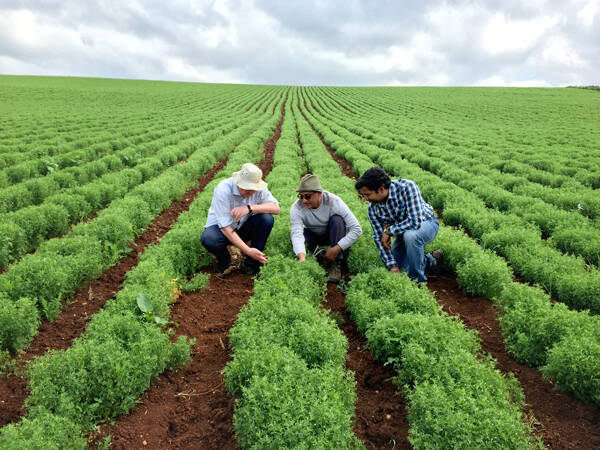
In many parts of India, traditional rain-dependent pulse cultivation has given way to smarter, more resilient farming, helping growers achieve higher and more stable yields. Pulses — including chickpeas, lentils and beans — are vital for nutrition and soil health, but historically yielded less than cereals due to irregular water supply and limited inputs.
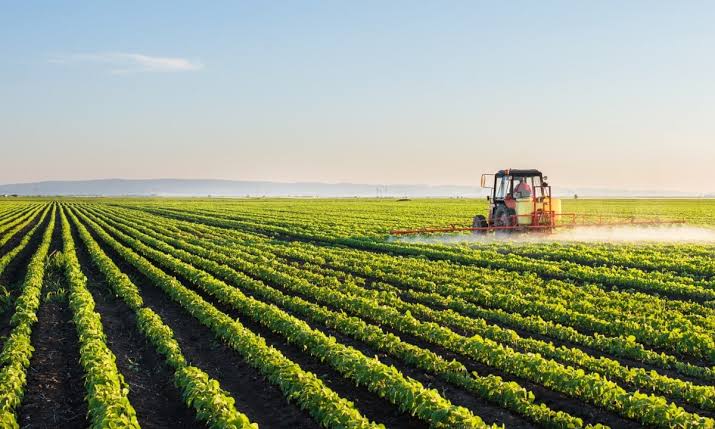
A key change has been the adoption of modern irrigation techniques, such as drip systems and timely supplementary watering during critical growth phases like flowering and pod formation. These methods ensure soil moisture when crops need it most, reducing flower drop and improving pod set — which directly boosts productivity.
Alongside irrigation, farmers are embracing high-yielding, stress-tolerant seed varieties, balanced fertilisation (especially phosphorus for root and nodulation support), and precision and conservation practices like raised beds and mulching. These combine to make efficient use of water, nutrients, and land.
Pulse growers are also integrating pulses into crop rotations and intercropping systems, which enrich soil nitrogen and support long-term sustainability. Digital advisory tools — such as soil-moisture sensors and weather forecasts — are helping farmers time irrigation and inputs more effectively, reducing waste and costs.
Together, these modern techniques are reducing dependence on rainfall, increasing resilience against dry spells, and steadily improving pulse productivity across varied Indian farming landscapes.