




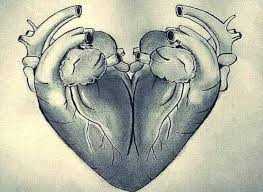
From text messages and social media posts to greeting cards and emojis, the heart symbol has become one of the most recognizable icons in the world. It is instantly understood as a sign of love, care, and emotion.
But have you ever wondered why it looks the way it does?
Despite its popularity, the symbol bears little resemblance to the human heart. Its true origin remains uncertain, but historians have proposed several theories over the years.
One theory traces the shape back to an ancient plant called silphium. The plant's seed pod closely resembled the modern heart symbol and was associated with love and fertility in ancient times. Some historians believe this connection may have influenced the symbol we use today.
Another theory suggests that early artists and scholars created simplified illustrations of the human heart based on limited anatomical knowledge. These drawings gradually evolved into the familiar shape that later became associated with emotion and romance.
The symbol gained popularity during the Middle Ages, when it frequently appeared in artwork, literature, and religious imagery. Over time, it became strongly linked with love and devotion, eventually finding its way into Valentine's Day cards, playing cards, and decorative designs.
Centuries later, the heart symbol successfully transitioned into the digital era. Whether through emojis, reactions, or simple text symbols, it continues to be one of the most commonly used ways to express feelings online.
Although its exact origins remain a mystery, the heart symbol has become a timeless representation of love that transcends cultures, languages, and generations.

Post a comment


Why Gen Z thinks advertising festivals must evolve quickly...
Gen Z creatives want Goafest to become more interactive, authentic and tech-driven with real conversations,...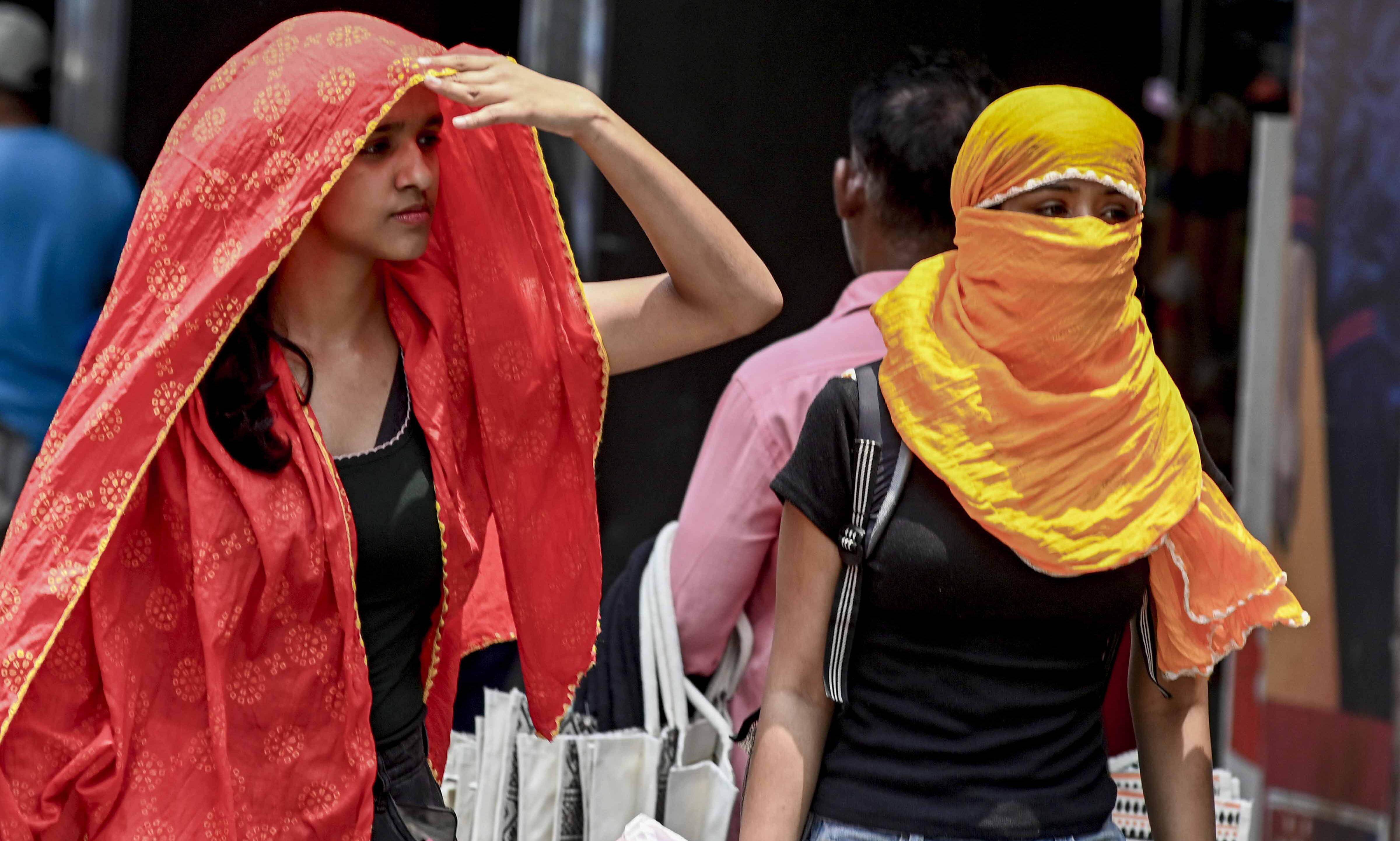
North India braces for nine days of scorching heat and...
Nautapa 2026 is expected to bring severe heatwave conditions across North India, increasing risks of...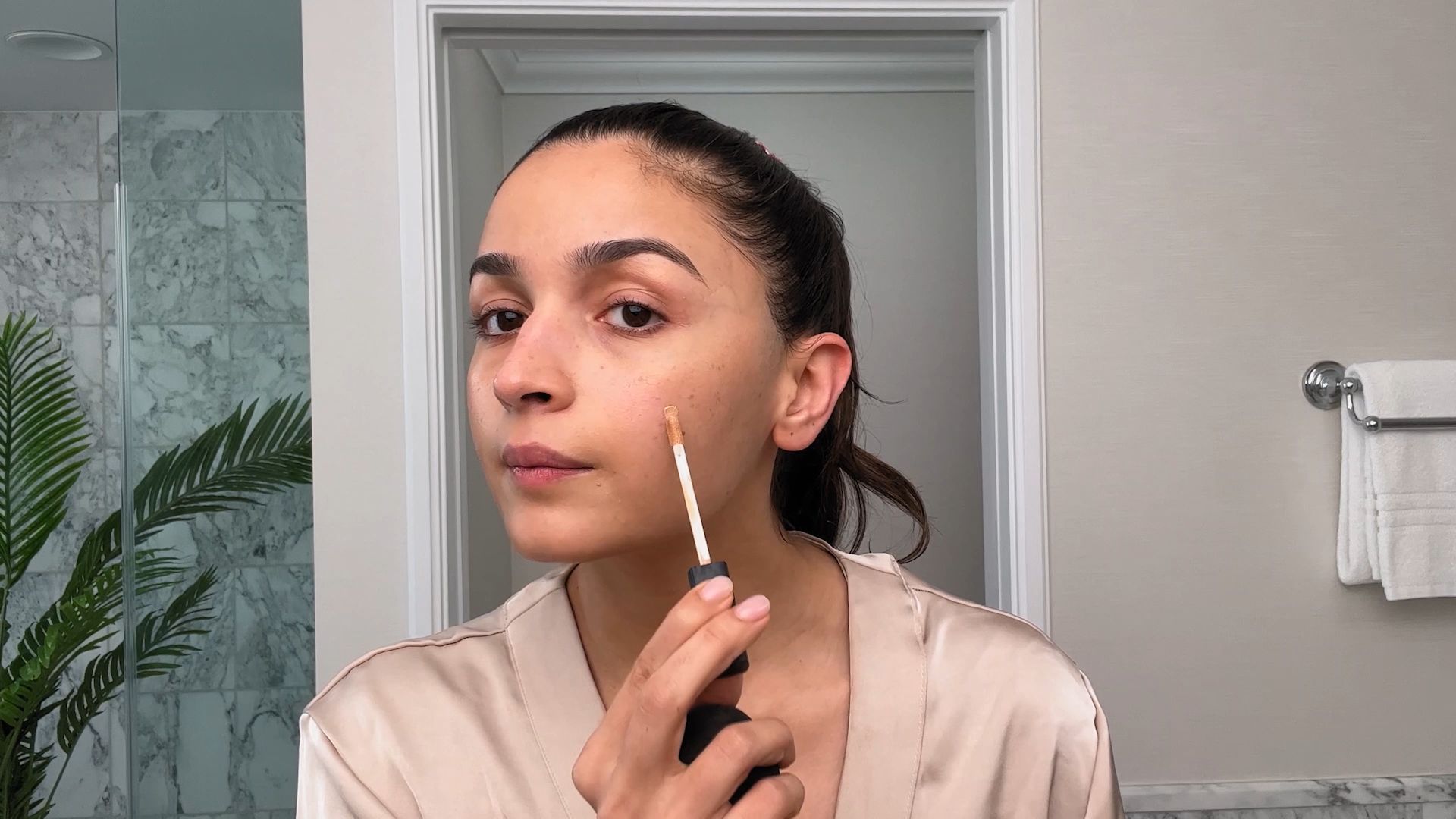
Alia Bhatt reveals her travel beauty hack - and it's...
Long flights can leave skin feeling dry, dull, and tired. Actress Alia Bhatt recently revealed...
Today’s horoscope reveals something you NEED to hear!
Each zodiac sign is encouraged to slow down, trust themselves, and focus on balance, clarity,...