




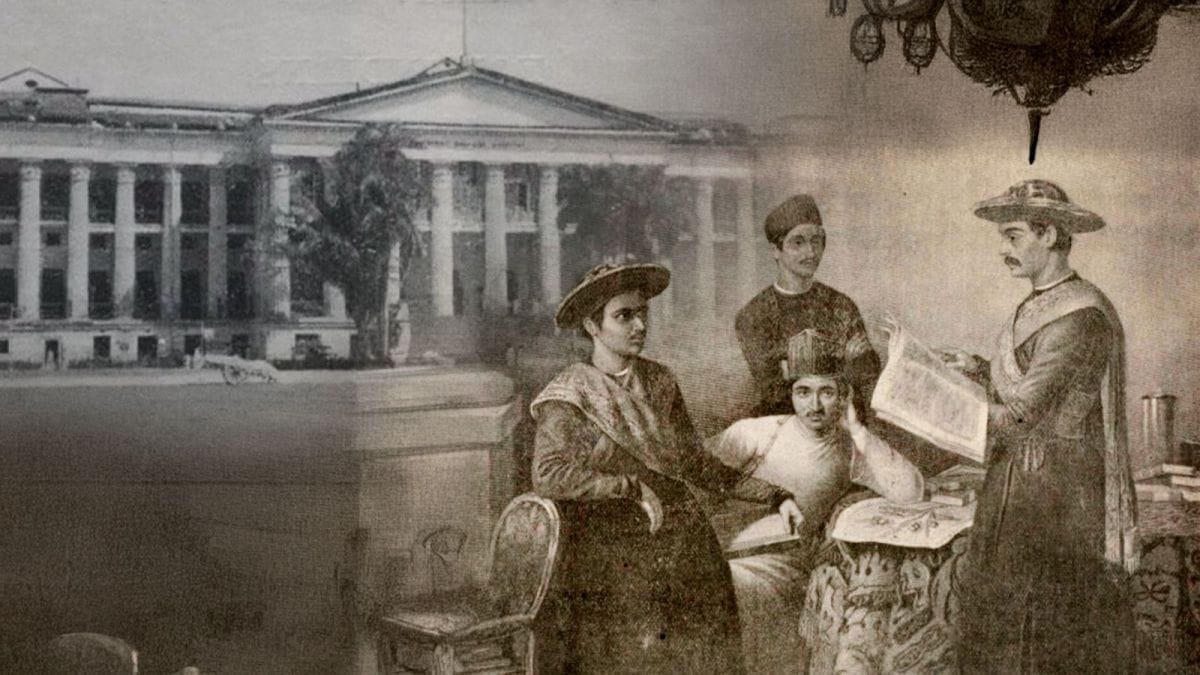
The MBBS (Bachelor of Medicine, Bachelor of Surgery) degree in India has a fascinating historical arc tied to colonial reforms and evolving medical education structures. Formal modern medical education began in India in the 1830s with medical institutions in Calcutta and Madras. Initially, medical training varied widely, with licences and certificates like LMS co-existing with emerging bachelor degrees.
It was Bombay University that pioneered a new consolidated university-level medical qualification around 1906/1907, introducing the novel MBBS title by merging M.B. (Medicine) and B.S. (Surgery). This hybrid wasn’t universally welcomed at the time, but it marked the beginning of a standardized, respected medical degree across British India.
The shift away from licentiate courses and towards university MBBS programs deepened the divide between lesser-credentialed medical schools and full university-affiliated medical colleges, cementing MBBS as the premier qualification for physicians. The move also helped phase out older diploma courses and influenced the professional identity of Indian doctors in the decades leading up to and following independence.
Today, MBBS remains the cornerstone of medical education in India, involving years of rigorous study and clinical training. Its origins reflect a blend of colonial history, institutional innovation, and a drive toward standardized medical excellence.

Post a comment

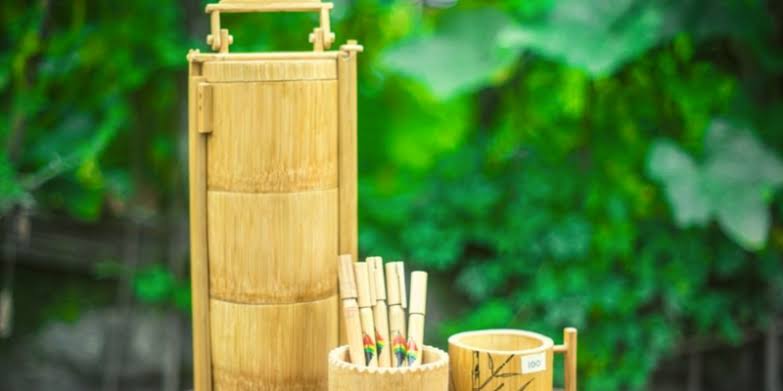
Seven Indian Startups Saving The Planet Right Now!
Meet the eco-warriors transforming India's future with revolutionary battery recycling, bamboo-based packaging, and air purification...
Fake Resume Scandal Forces Startup Hiring Reset!
startup’s costly hiring mistake after trusting a fake resume highlights growing recruitment risks, pushing companies...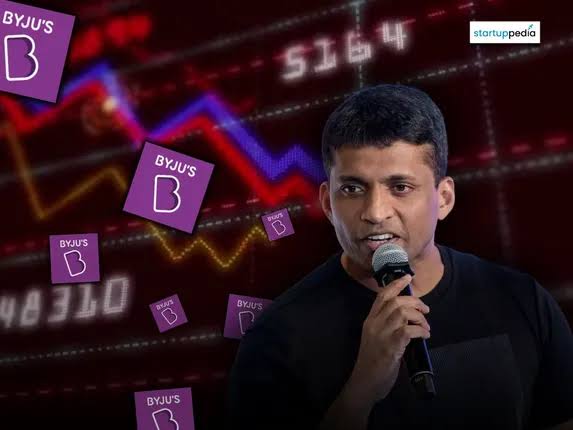
Indian Edtech Collapse Raises Questions Over Governance!
A once-celebrated Indian tech giant’s financial crisis and missing funds controversy expose deeper issues in...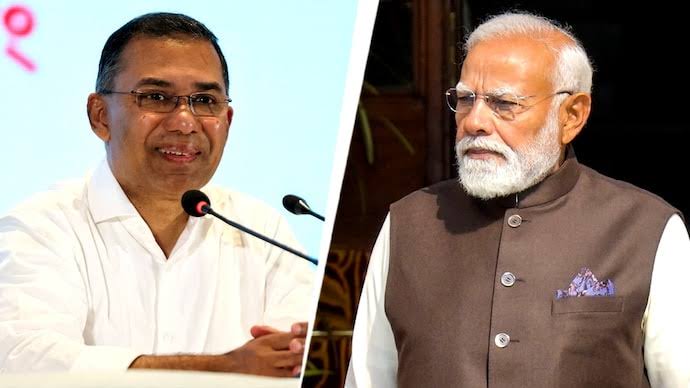
Modi Invited To Bangladesh Swearing-In Ceremony!
Bangladesh’s political transition gains regional attention as Prime Minister Narendra Modi receives an invitation to...
India’s Return To Land Signals Lifestyle Shift!
Urban professionals across India are rediscovering farmland as more than an investment—embracing sustainability, wellness, and...