




India’s updated CAFE norms, which set strict fuel efficiency and emission standards for carmakers, have sparked concern across the auto industry. While the intention behind cleaner vehicles is positive, the real question is how these rules could affect the everyday Indian. For millions who depend on small cars for affordable mobility, stricter CAFE norms may bring unexpected drawbacks.
CAFE norms require car companies to ensure that the average fuel consumption and carbon emissions of all the cars they sell stay below a fixed limit. The upcoming version of these norms will be more demanding, forcing companies to redesign engines, improve efficiency, or sell more electric and hybrid vehicles. This sounds good for the environment, but it creates several challenges for consumers.
Rising prices of small and budget cars
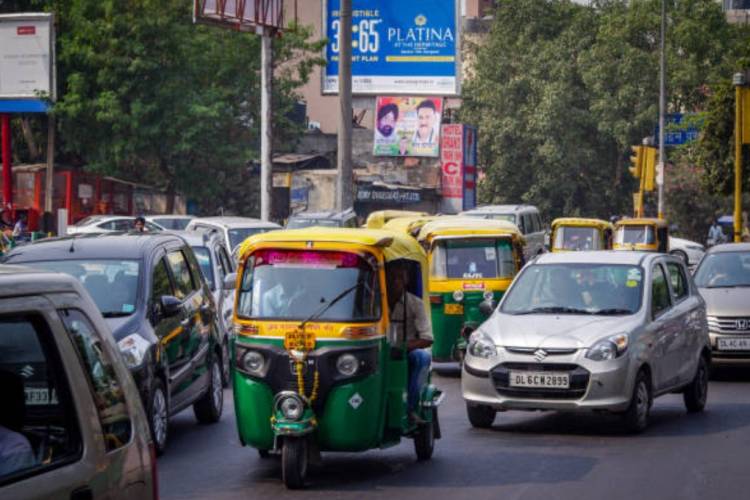
Small cars are the backbone of Indian mobility because they are affordable to buy, cheap to maintain, and easy to run. But tighter efficiency requirements will force manufacturers to upgrade technology inside these cars. Better engines, lighter materials and compliance systems cost money. That increase will almost certainly be passed on to buyers.
Many automakers have already stated that meeting these aggressive targets is expensive and may make some entry level models unviable. If companies stop producing small cars because the profit margins shrink, common Indians will lose access to the most affordable form of personal transport.
Pressure on first time buyers
First time buyers and lower income families depend heavily on the availability of small cars. If these models become costlier or disappear from the market, these consumers will face fewer options. They may have to rely on used cars or public transport, which may not meet their personal or professional needs. A policy intended to help the environment could inadvertently reduce mobility access for those who need it most.
Forced push toward EVs and hybrids
To meet fleet emission targets, carmakers may push more electric or hybrid models. While this helps reduce fuel consumption on paper, it creates real challenges for ordinary Indians. Electric vehicles are more expensive upfront, and many small towns and rural areas do not have the necessary charging infrastructure. Hybrid cars are typically priced higher than regular petrol models. This means buyers who are simply seeking an affordable daily vehicle may be pushed toward choices that do not fit their budgets or lifestyles.
Shrinking variety of cars
Stricter norms often lead carmakers to discontinue models that are harder to make compliant. This can lead to a market filled with fewer models that are more expensive. The diversity that once gave Indians freedom to choose based on budget, comfort and need will shrink. Middle class buyers will be left with fewer affordable options.
Increased mobility inequality
As affordable cars become scarce, mobility will become a privilege rather than a convenience. Those who can afford premium or hybrid models will enjoy easier compliance with new regulations. Those who depend on budget cars may be left behind. This sharp divide could create long term social inequality in access to transportation.
The intention is good, but the impact needs attention
The purpose behind CAFE norms is important. India needs to reduce pollution and promote cleaner vehicles. However, the policy must be balanced with the economic realities of the country. A large part of India still depends on small, efficient, and affordable petrol or CNG cars. Ignoring this fact risks creating a mobility crisis for millions.
What India must consider
A more inclusive approach can protect both the environment and consumer interests. Some important considerations include gradual phasing of norms, reasonable targets for small cars, support for affordable hybrid technology, incentives for manufacturers to maintain low cost models, and parallel investments in charging infrastructure. These steps can help ensure that environmental progress does not come at the cost of mobility access.
Conclusion
Stricter CAFE norms are a step toward a cleaner future, but they may unintentionally raise the cost of mobility for the very people who can least afford it. When small cars become expensive or unavailable, common Indians bear the burden. While the goals are noble, the execution must be realistic. Policies should lift people toward cleaner choices, not push them away from essential mobility. A balanced strategy that supports both environmental health and economic accessibility is the need of the hour.

Post a comment


Australia Bans Social Media for Under 16 year olds
A major country has taken a hard decision on teenage social media use, and the...
Scientists Find Life’s Building Blocks in a Space Rock
Scientists analysing dust and rock from asteroid Bennu have found organic molecules once thought unique...
Visible Luxury, Invisible Value — India’s iPhone Paradox!
Many Indians invest in high-priced iPhones as social status symbols — yet hesitate when it...
PetPipers Redefines Grooming With Respect, Skills, Fair Pay!
PetPipers trains and pays pet groomers fairly while delivering caring, professional grooming services in Delhi,...