




When Covid hit, the world learned a hard lesson. Diagnostics can become a bottleneck just when they are needed the most. Long queues, delayed reports, overloaded labs. In that chaos, a quiet scientific revolution stepped out of research labs and into real life. That revolution was CRISPR-based diagnostics.
India saw it through the Feluda test, a CRISPR-powered Covid test developed at CSIR-IGIB. It showed that disease detection did not always need expensive machines or complex labs. It could be fast, accurate, and closer to patients.
Around the same time, a Bengaluru-based startup called CrisprBits was thinking along similar lines.
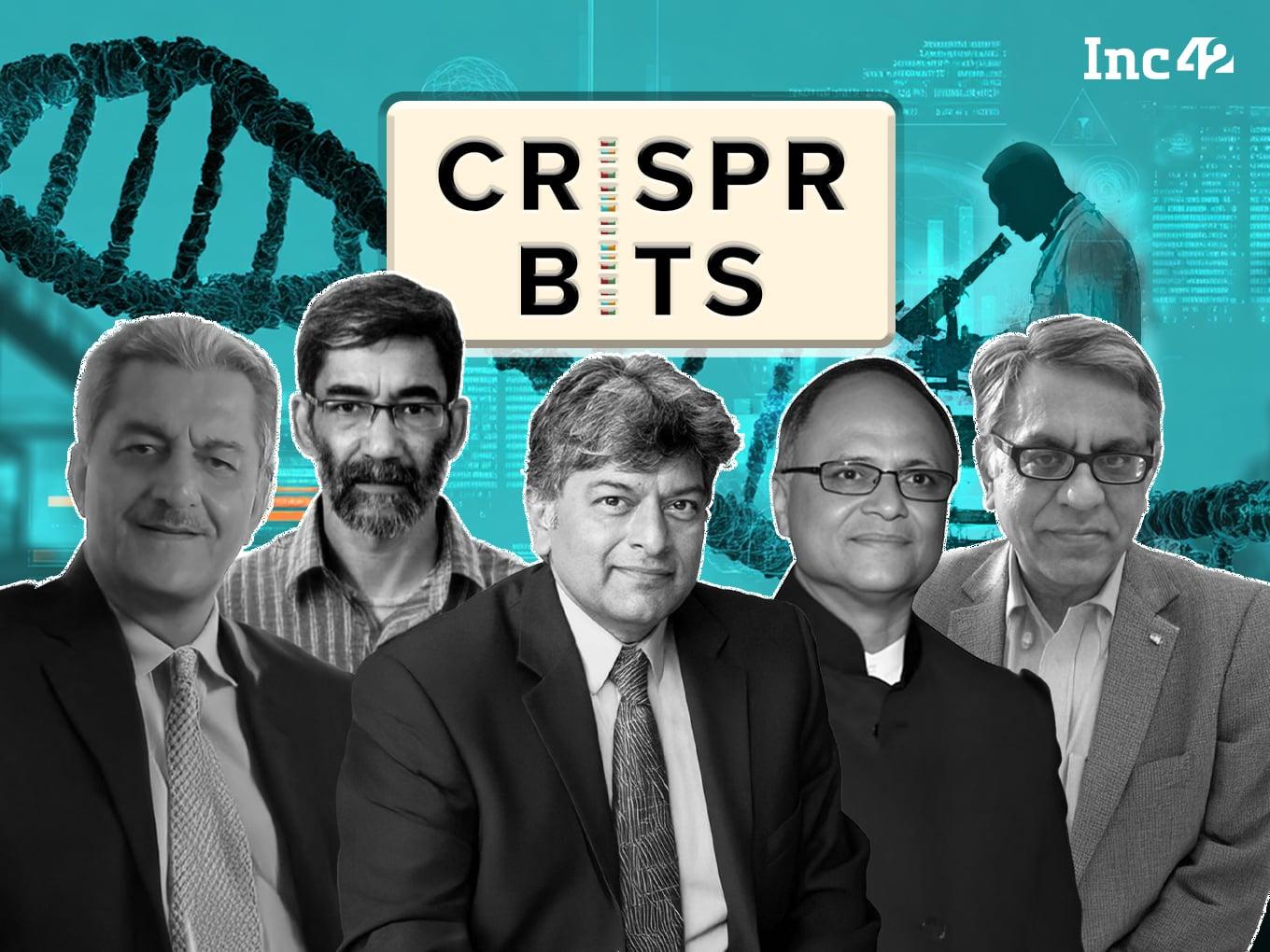
Founded by five BITS Pilani alumni with decades of experience across biotech, manufacturing, and academia, CrisprBits set out with a simple but ambitious idea. What if CRISPR could make critical disease diagnosis quicker, cheaper, and usable at the point of need?
CRISPR, at its core, is nature’s own defence system. Bacteria use it to recognise and destroy invading viruses by remembering their genetic signatures. Scientists later realised that this same precision could be used to identify any specific DNA or RNA sequence. That insight earned a Nobel Prize in 2020 and opened doors far beyond gene editing.
CrisprBits took that precision and turned it into a visible signal. Its diagnostic platform, PathCrisp, uses CRISPR to detect diseases by identifying genetic material from pathogens or mutations and converting it into a clear readout. No heavy infrastructure. No long waiting hours.
According to the founders, their tests can work at room temperature, be transported easily, and deliver results faster than conventional methods. While traditional genetic tests can cost ₹1,500 to ₹2,000 and take up to three days, CrisprBits aims to deliver results within hours at nearly half the cost.
The goal is not just speed. It is accuracy without compromise. The company believes patients should not have to choose between fast tests and reliable ones.
PathCrisp is already being trialled in hospitals and labs across India for diseases like typhoid, sickle cell anaemia, and antimicrobial resistance. In a country where sickle cell affects tens of thousands of newborns every year, early and affordable diagnosis can change lives.
CrisprBits is not stopping at human diagnostics. The team wants these tools to reach farms, food testing labs, and even low-resource settings in other countries. If a farmer can detect crop disease early or a clinic can diagnose infections at the bedside, the impact multiplies.
Beyond diagnostics, the startup is also working on gene editing for industrial use through its EdiCrisp platform. This helps engineer better microbial strains for biofuels and biogas, making processes cleaner and more efficient. A third platform, CurieCrisp, focuses on long-term therapeutic possibilities, though it is still in early research stages.
Recently, CrisprBits raised $3 Mn in a pre-Series A round to commercialise PathCrisp and scale manufacturing. The timing matters. Globally, CRISPR is becoming crowded, with large pharma companies and well-funded startups entering the space. Yet diagnostics remains a tough business to scale in Western markets.
That is where India could have an edge. Large populations, cost sensitivity, and unmet diagnostic needs create a massive opportunity. CrisprBits believes building integrated platforms across diagnostics, gene editing, and future therapies sets it apart.
Genes may not decide destiny, but understanding them early can prevent suffering, reduce costs, and save time when it matters most. CrisprBits is betting that CRISPR, used wisely, can move diagnosis from distant labs to the patient’s side.
And if that happens, disease detection may finally catch up with the speed at which life demands answers.

Post a comment

Chtrbox Goes Global, Picks Dubai as First Hub!
India’s publicly listed creator-economy firm Chtrbox launches its first international market in Dubai, aiming to...
Threads Overtakes X in Daily Mobile User Rankings!
New data shows Meta’s Threads now surpasses Elon Musk’s X in daily mobile active users,...
Artisan Revival: Earth Story Farms Preserves Nolen Gur Tradition!
West Bengal duo revives age-old nolen gur craft, blending authenticity, community support and seasonal sweetness...
India’s Most Impactful Startups Redefining Innovation!
From air-to-water systems and solar trees to recycled paper and tech buses, 2025 startups are...