






The article argues that design — when treated as more than aesthetics — can be a powerful force for social good. Instead of viewing design as mere decoration, it should be seen as a problem-solving process that responds to real human needs, balancing functionality, empathy and sustainability. In this sense, good design can simplify daily life, make products and spaces more accessible, and ensure that innovations serve the broader public interest, not just consumer whims.
By embedding social responsibility and environmental awareness into the core of design, we can meet complex challenges such as resource scarcity, inequality and urban stress. Design thinking encourages inclusion, participatory processes, and long-lasting solutions rather than temporary fixes.
Thus, design becomes a pathway to a better world — one where every person’s dignity, comfort, and needs are respected. It transforms objects, spaces, and systems into tools for empowerment and wellbeing, rather than just commodities or commodities of status.


Post a comment

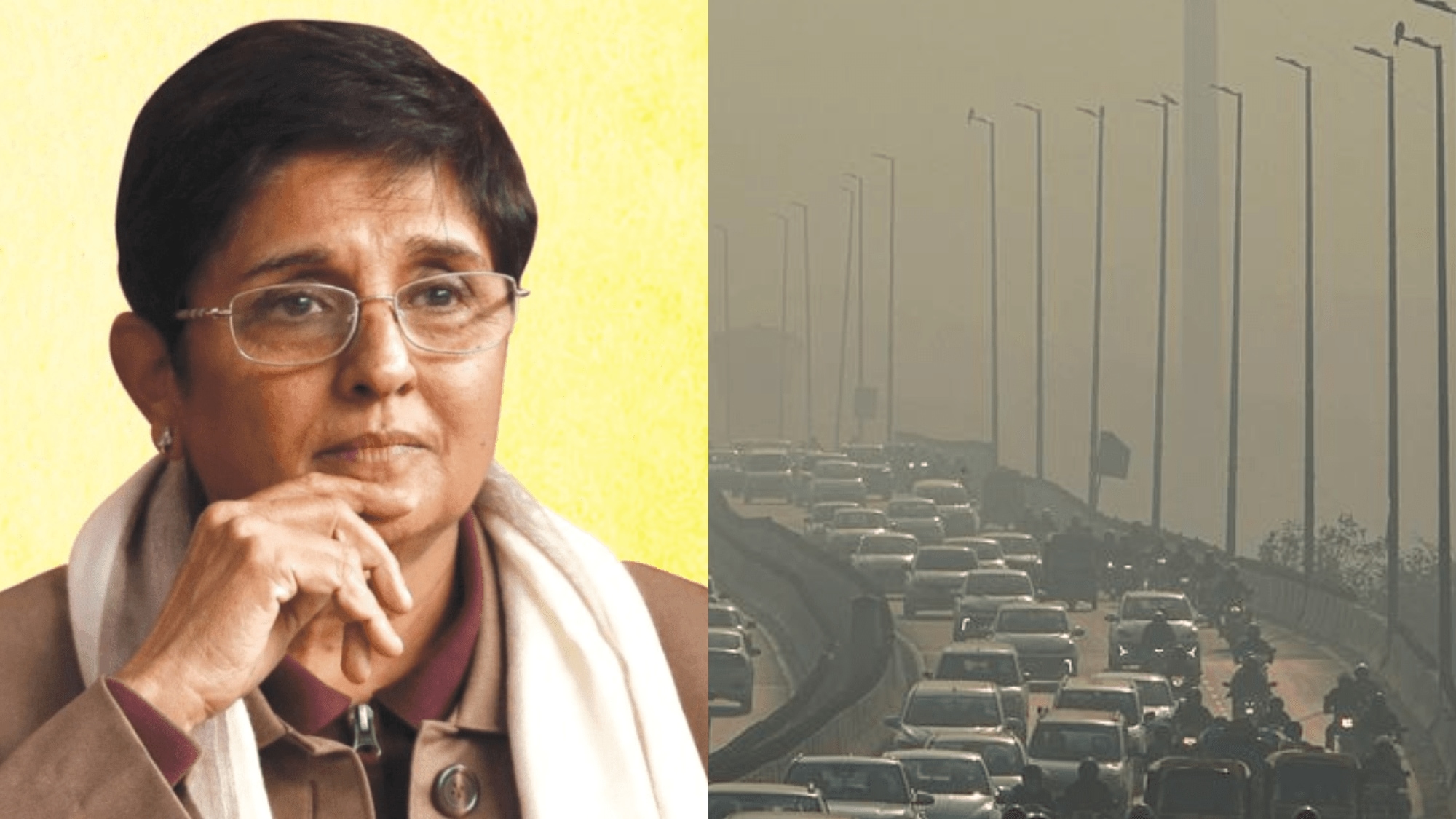
“Stand in dust, breathe same air” — call to fight...
Kiran Bedi demands that officials step out of boardrooms, breathe Delhi’s toxic air themselves, and...
The Team Paradox: Why Professionals Join Brands but Quit People!
newsletter deconstructs the fundamental disconnect in corporate retention, arguing that while a company’s brand and...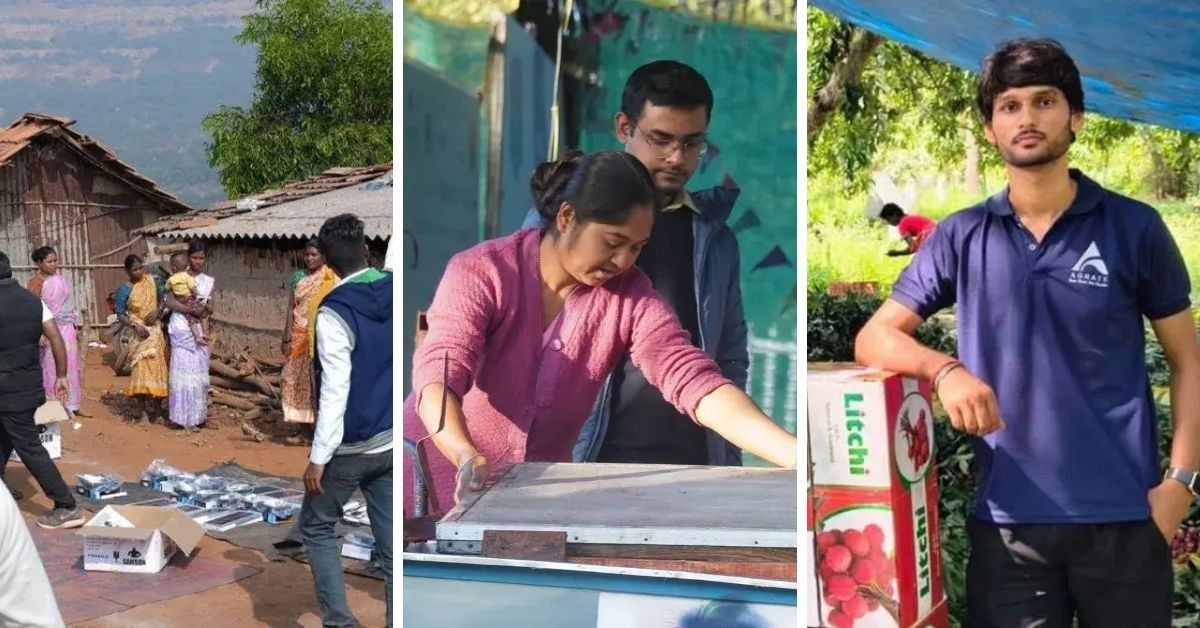
India’s Most Impactful Startups Redefining Innovation!
From air-to-water systems and solar trees to recycled paper and tech buses, 2025 startups are...
Desert to Drinking Water: How UAE Keeps Millions Hydrated!
Despite having no rivers or lakes, the United Arab Emirates meets water needs through large-scale...