




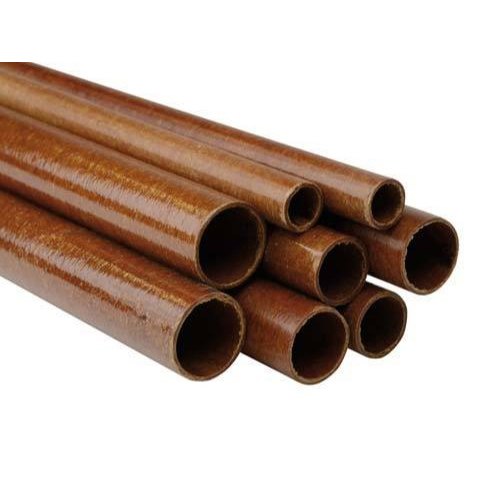
At the start of the 20th century, Leo Hendrik Baekeland set out to find a substitute for shellac — a natural resin used in electrical insulators. In 1907, he succeeded by combining phenol and formaldehyde under controlled heat and pressure to produce an amber-coloured resin that hardened into a durable, mouldable plastic. He named this material Bakelite, and by December 1909 had patented it — paving the way for what would become the modern plastics industry.
Unlike earlier plastics, which were derived from natural materials, Bakelite was fully synthetic. Its key strengths lay in being heat-resistant, electrically non-conductive and chemically stable — features ideally suited for the rapidly electrifying world.
Soon after its invention, Bakelite began appearing in everyday life. It was used for radio and telephone casings, household appliance parts, electrical insulators, toys, jewelry, and even automobile components. Dubbed “the material of a thousand uses,” it transformed manufacturing by allowing mass production of durable, affordable goods.
Although newer plastics eventually replaced it — largely because they allowed brighter colours and less brittleness — Bakelite’s legacy endures. It marked the birth of the “Plastic Age,” opening doors for polymers and materials science as we know them.


Post a comment


Desert to Drinking Water: How UAE Keeps Millions Hydrated!
Despite having no rivers or lakes, the United Arab Emirates meets water needs through large-scale...
Blue Revolution: How ClimaCrew is Using AI to Transform Seaweed...
Mumbai-based deeptech startup ClimaCrew is revolutionizing seaweed cultivation in Gujarat and Maharashtra. By combining satellite...
PetPipers Redefines Grooming With Respect, Skills, Fair Pay!
PetPipers trains and pays pet groomers fairly while delivering caring, professional grooming services in Delhi,...
Chtrbox Goes Global, Picks Dubai as First Hub!
India’s publicly listed creator-economy firm Chtrbox launches its first international market in Dubai, aiming to...