




Sanchar Saathi began as a government-backed app intended to help Indian smartphone users: let them check if devices are genuine, report spam or scam calls and messages, track or block lost or stolen phones, and alert users to potential telecom fraud. The app bundles features like IMEI-based device verification, spam reporting, and what the government calls “telecom security tools,” positioning itself as a shield against rising cyber-fraud and phone theft.
However, when authorities ordered all new phones sold in India to come with the app pre-installed — and reportedly non-removable — a wave of concern erupted over privacy rights and digital autonomy. Critics argued that such deep integration could turn everyday smartphones into surveillance devices. Questions swirled around what data the app accessed — call logs, SMS records, storage access — and whether the state might misuse that access. Legal experts pointed out that forcing the app onto devices without explicit, informed consent risked violating citizens’ right to privacy.
After widespread backlash from users, tech companies and civil-rights organisations, the government backed down: the mandate was revoked, and users were given the choice to install or remove Sanchar Saathi voluntarily. The episode exposed deep tensions in digital governance — between legitimate security concerns and the need to safeguard individual privacy and consent in a hyper-connected world.


Post a comment


Desert to Drinking Water: How UAE Keeps Millions Hydrated!
Despite having no rivers or lakes, the United Arab Emirates meets water needs through large-scale...
Blue Revolution: How ClimaCrew is Using AI to Transform Seaweed...
Mumbai-based deeptech startup ClimaCrew is revolutionizing seaweed cultivation in Gujarat and Maharashtra. By combining satellite...
PetPipers Redefines Grooming With Respect, Skills, Fair Pay!
PetPipers trains and pays pet groomers fairly while delivering caring, professional grooming services in Delhi,...
Chtrbox Goes Global, Picks Dubai as First Hub!
India’s publicly listed creator-economy firm Chtrbox launches its first international market in Dubai, aiming to...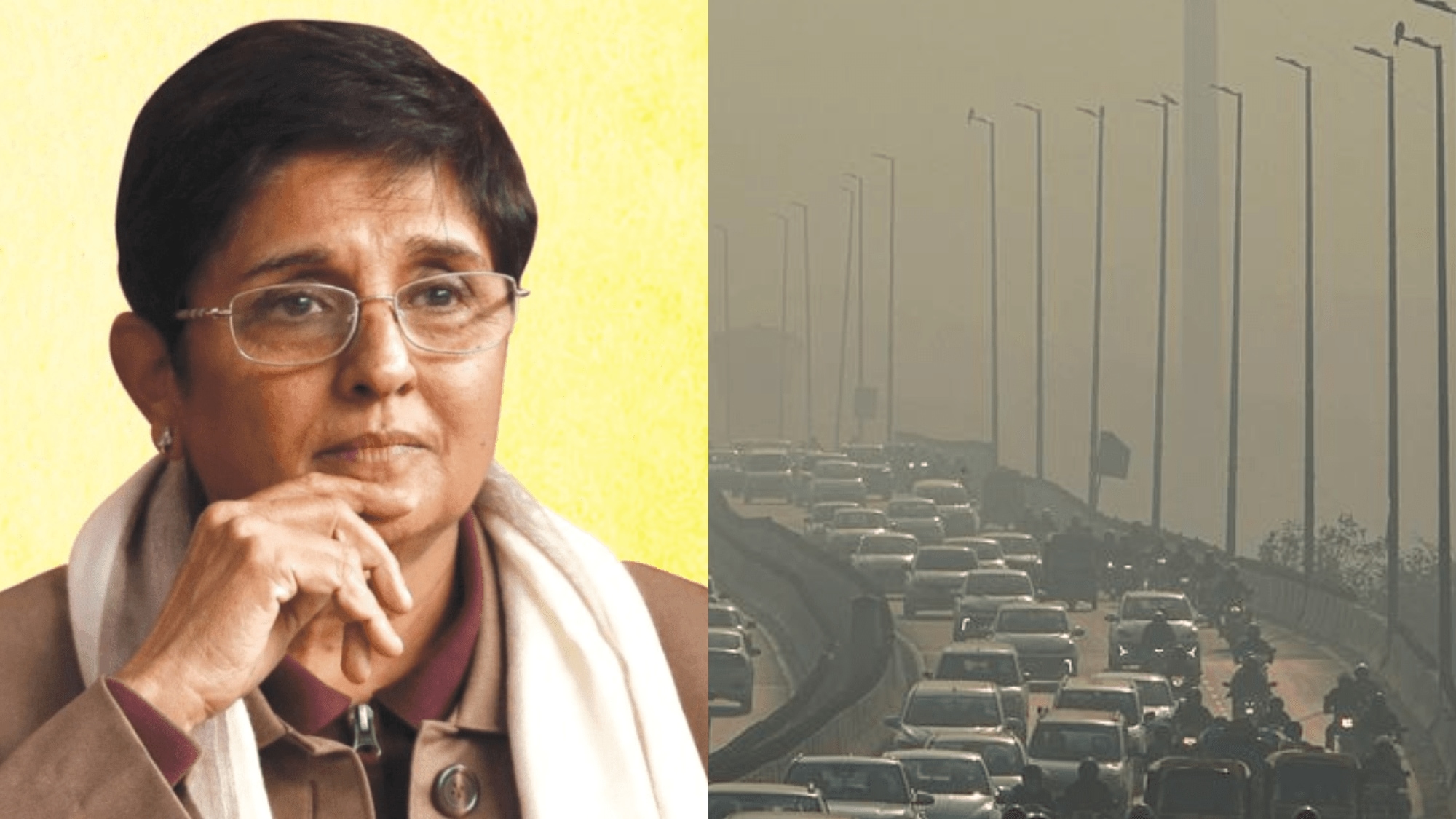
“Stand in dust, breathe same air” — call to fight...
Kiran Bedi demands that officials step out of boardrooms, breathe Delhi’s toxic air themselves, and...