




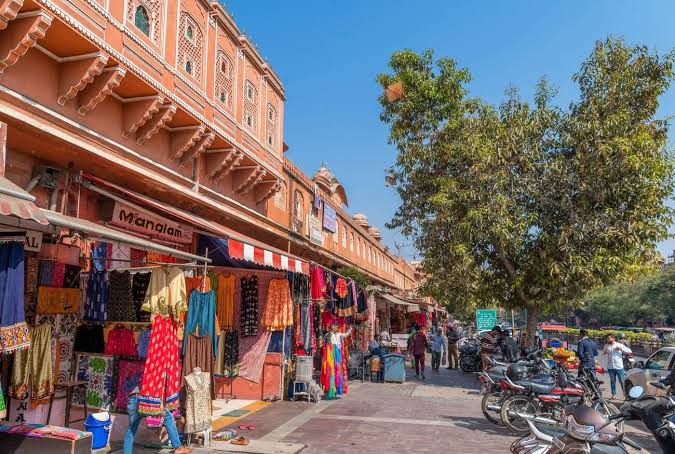
Jaipur’s original market layout, conceived over 300 years ago under Maharaja Sawai Jai Singh II, is once again in the spotlight. The city’s historic bazaars were designed with purpose — every street, lane, and bazaar block served trade, conversation, and accessibility. Today, city authorities and traders are revisiting this heritage urban design as a solution to perennial challenges: chronic traffic, encroachment, and limited parking in the old city.
Reviving this trade-based planning involves preserving the old “pedestrian-priority” ethos: narrow streets optimized for foot traffic, organized shops mixed with residential zones, and a walkable urban grid. Proponents argue that these features can ease congestion while retaining Jaipur’s cultural identity. At the same time, they hope to integrate modern infrastructure — regulated parking, better sanitation, and smarter traffic flows. This re-focus is not just about nostalgia. For Jaipur, it’s a pragmatic attempt to balance heritage and commerce, breathing new life into historic markets while solving concrete urban problems.

Post a comment

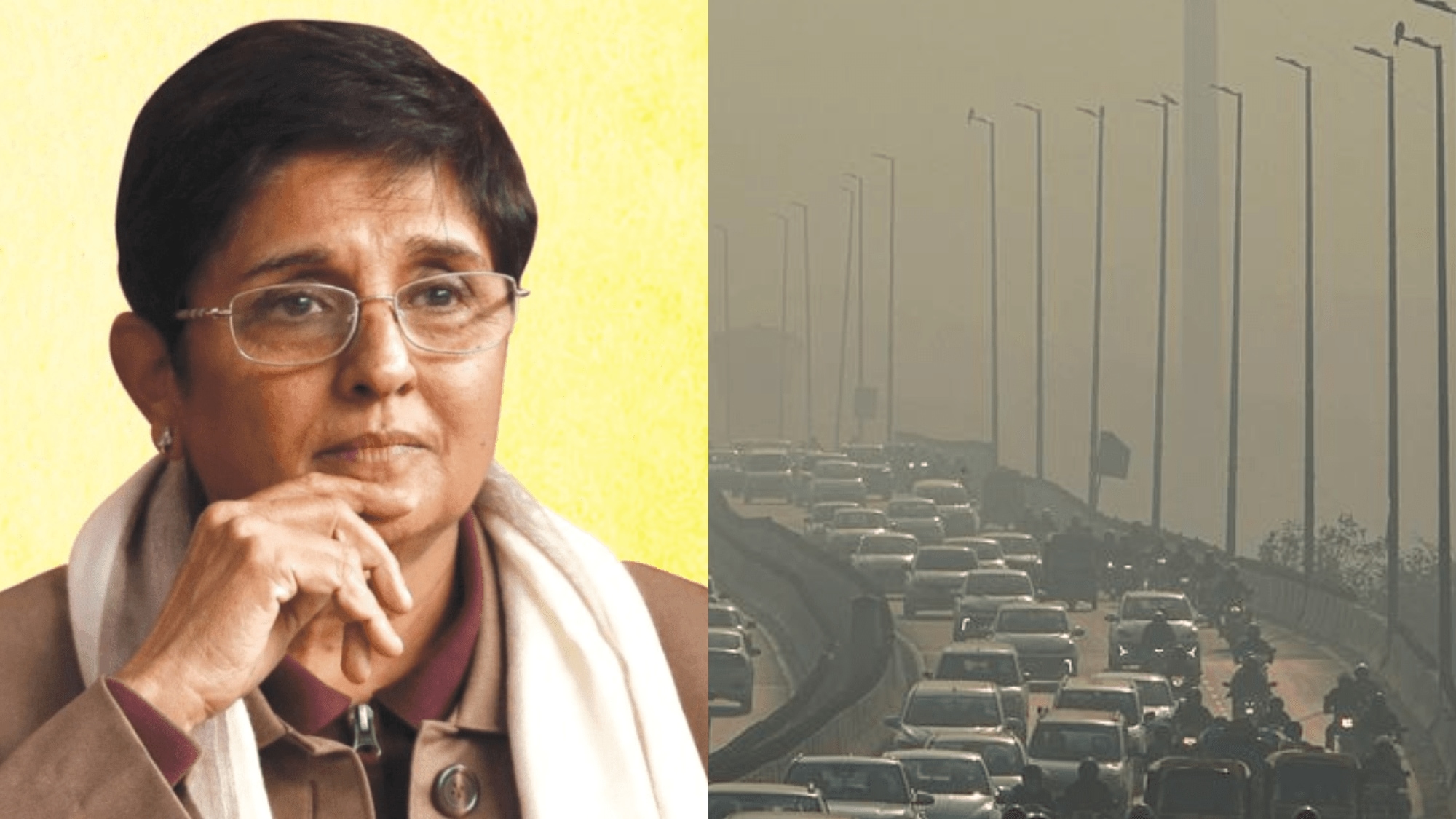
“Stand in dust, breathe same air” — call to fight...
Kiran Bedi demands that officials step out of boardrooms, breathe Delhi’s toxic air themselves, and...
A Seasoning of Synthetics: Global Study Finds Microplastics in Nearly...
A comprehensive global analysis has revealed that microplastics are present in over 90% of commercial...
India’s Most Impactful Startups Redefining Innovation!
From air-to-water systems and solar trees to recycled paper and tech buses, 2025 startups are...
Desert to Drinking Water: How UAE Keeps Millions Hydrated!
Despite having no rivers or lakes, the United Arab Emirates meets water needs through large-scale...