




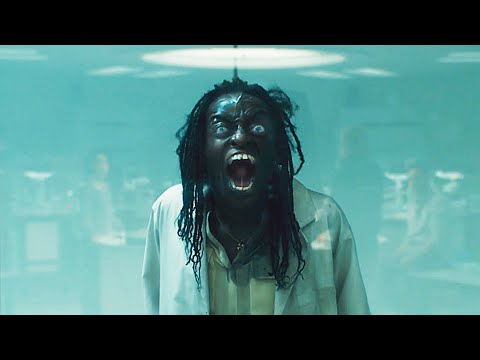
World War Z doesn’t begin with horror, it begins with normalcy. Traffic, conversations, routine. And that’s what makes the collapse so disturbing. Because when it happens, it doesn’t feel like fiction. It feels inevitable.
The infection spreads fast, but fear spreads faster. Within moments, society begins to unravel, not because of the infected, but because of the living. Panic overrides logic. Strangers stop seeing each other as human. Survival becomes the only language left.
Gerry Lane, played by Brad Pitt, moves through this chaos not as a hero, but as an observer of what humanity becomes under pressure. The film doesn’t just show a global crisis, it dissects it. Every scene quietly asks: how long does morality survive when fear takes control?
What makes the film psychologically unsettling is its speed. There’s no time to process grief, no space to think. Decisions are immediate, brutal, and often irreversible. And in that urgency, identity begins to dissolve. People aren’t defined by who they are anymore, but by what they’re willing to do to stay alive.
The infected aren’t the only ones who lose themselves.
In the end, World War Z suggests something far more disturbing than a pandemic, that humanity doesn’t collapse when the world ends. It collapses the moment fear becomes stronger than empathy.


Post a comment

The hidden burnout crisis forcing Gen Z to “micro-detach”...
Gen Z is embracing “micro-detachment” to escape emotional burnout, social pressure, and constant stress in...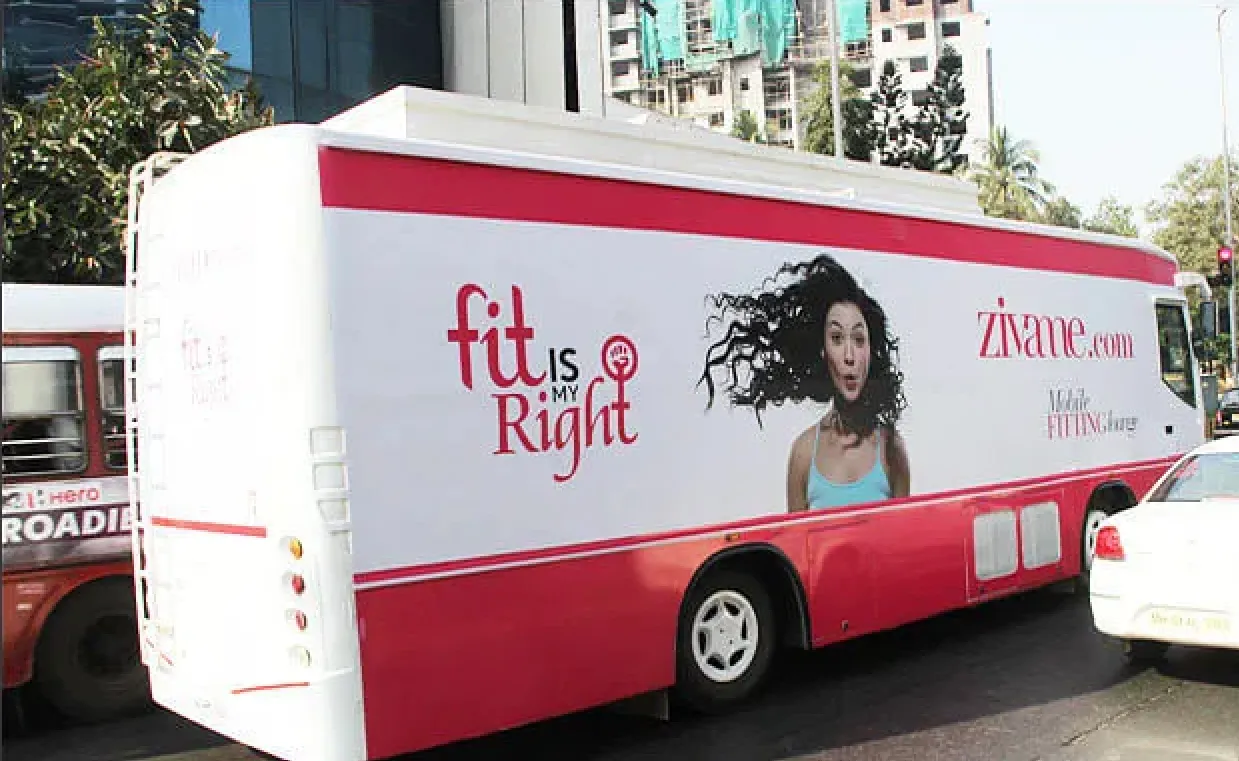
This innerwear campaign is challenging outdated beauty standards...
Zivame’s new campaign challenges traditional innerwear standards by promoting adaptive, comfort-focused products designed for women’s...
Why Does Matcha Taste Bad? 7 Common Reasons and How...
Bitter, grassy, or unpleasant matcha? Discover the most common reasons matcha tastes bad and learn...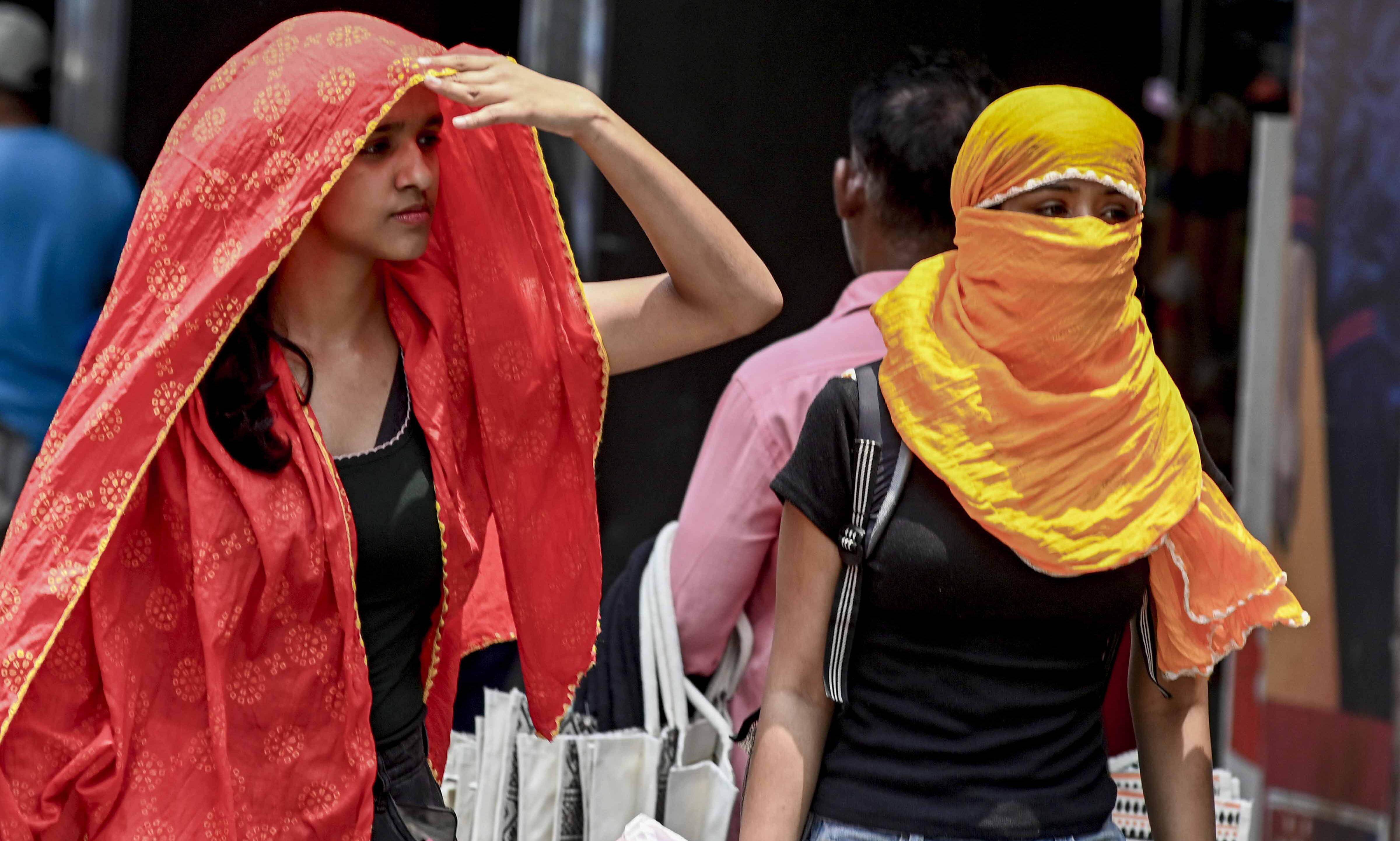
North India braces for nine days of scorching heat and...
Nautapa 2026 is expected to bring severe heatwave conditions across North India, increasing risks of...