




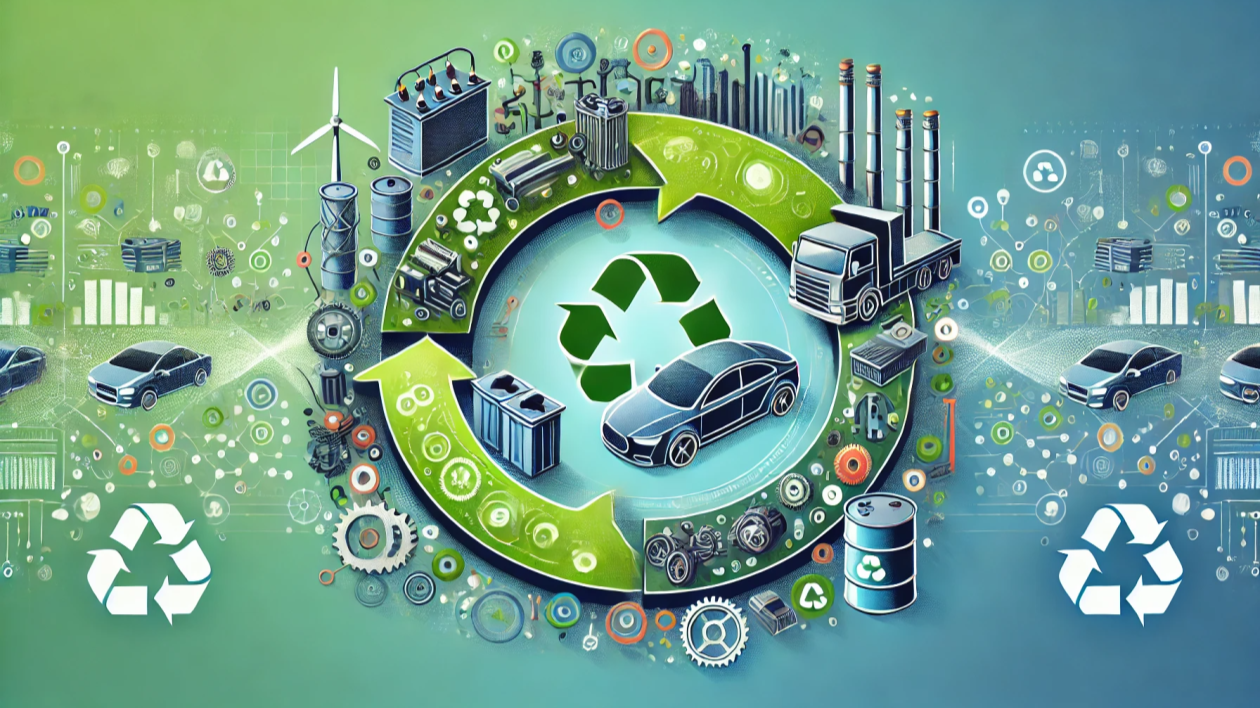
The intersection of sustainability and Artificial Intelligence is birthing a new category of "Impact Tech." The startup—highlighted for its proprietary "Waste-Intelligence" stack—is moving beyond traditional collection methods to treat waste as a high-value data stream.
The Technology: How "Trash-to-Data" Works
The core innovation lies in the integration of edge computing and specialized deep-learning models trained on millions of images of Indian municipal solid waste (MSW).
1. Edge-AI on Collection Trucks: Cameras mounted on waste collection vehicles analyze garbage in real-time as it is dumped. The AI categorizes waste (plastic, paper, organic, hazardous) and identifies "leakage" points in the city where segregation is failing.
2. Automated Sorting Belts: At Material Recovery Facilities (MRFs), robotic arms guided by computer vision pick out recyclables with 99% accuracy—far exceeding manual sorting speeds and safety standards.
3. The "Material Passport": Every ton of processed waste is assigned a digital footprint. This allows brands to track their "Extended Producer Responsibility" (EPR) goals with verifiable data, proving exactly how much of their packaging was recovered and recycled.
Solving the "Indian Context" Challenge
Unlike Western waste systems, Indian trash is often highly "mixed" and contaminated. The startup’s AI models are specifically tuned to recognize:
• Low-Value Plastics: Identifying multi-layered plastics (like snack wrappers) that are often missed by standard sensors.
• Geographic Patterns: Mapping waste "hotspots" to help city administrators optimize truck routes, reducing fuel consumption and carbon emissions by up to 20%.
• Social Impact: By automating the most hazardous parts of the sorting process, the technology aims to transition "ragpickers" into "AI-technicians," providing them with safer, formalized employment.
The Business of Circularity
The startup’s "Data Gold" refers to the insights they sell back to FMCG companies and government bodies. In 2026, where "Green Audits" have become mandatory for large corporations, this granular data on waste recovery has become as valuable as the recycled material itself.


Post a comment

Vibe Coding for Founders: 5 Custom Tools You Can Build...
Forget hiring a developer for your MVP. "Vibe coding"—using natural language to direct AI agents...
Silicon Valley Who? The Rise Of The "Bharat" Startup!
Forget Bengaluru and Mumbai—India’s Tier II and III cities like Jaipur, Bhopal, and Coimbatore are...
The Next Infrastructure Giants? 3 Small-Cap Stocks Riding India’s ₹9.2...
India’s aggressive push toward renewable energy integration and grid modernization has triggered a ₹9.2 lakh...
Uber Redirects Strategy: Shuts Down Delhi-NCR Shuttle Service!
In a significant strategic shift, Uber has announced the closure of its "Uber Shuttle" service...