




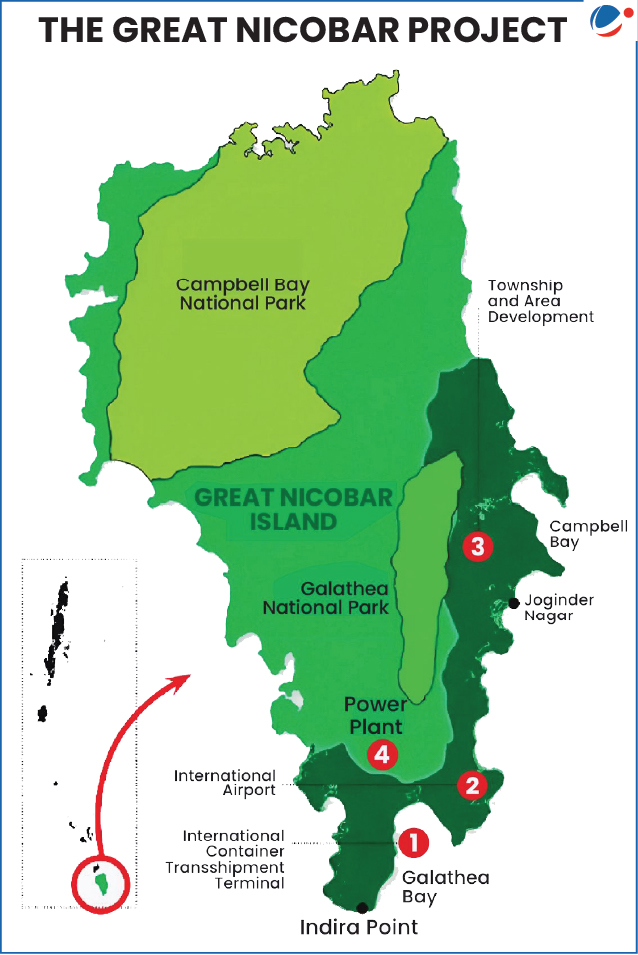
The National Green Tribunal (NGT) has granted environmental clearance for the Great Nicobar Island mega infrastructure project, a massive development plan on one of India’s most ecologically sensitive islands. The project aims to transform Great Nicobar into a strategic and economic hub, improving connectivity, trade and logistics. But the decision has sparked intense debate because it also involves ecological disturbances, displacement of tribal people, and irreversible impact on fragile ecosystems.
This ruling is significant not just for policymakers and environmentalists, but for every Indian, because it highlights fundamental choices about development, sustainability, social justice and long term national interest.
What Is the Great Nicobar Mega Project
The Great Nicobar Island project is a large infrastructure initiative planned on the southern tip of the Nicobar Islands in the Bay of Bengal. The vision includes building ports, airports, roads, power plants, urban infrastructure and other facilities designed to boost connectivity and economic activity in the region.
The project was conceived as a way to improve linkages with Southeast Asia, strengthen India’s strategic position in the Indian Ocean, create employment, and foster regional development. It is seen by its proponents as a bold move to integrate a remote region with the national growth agenda.
What the NGT Decided
The National Green Tribunal has cleared the project’s environmental impact assessment, effectively allowing work to proceed. This decision followed detailed reviews, hearings and submissions from both supporters and critics. The NGT’s order means the project can now enter implementation stages, subject to compliance with environmental safeguards and mitigation plans.
The clearance came amid concerns from environmental groups, biologists, tribal rights activists and local stakeholders who argued that the project could irreversibly damage sensitive ecosystems, rich biodiversity, and the way of life of indigenous communities.
Why This Is Important for Common Indians
This ruling matters to every Indian for several reasons:
1. It Raises Questions About Sustainable Development
India is expected to grow rapidly in the coming decades, requiring infrastructure, jobs and connectivity. But the Great Nicobar case highlights a core challenge — how to grow without destroying crucial natural resources. Water systems, forests, coral reefs and wildlife habitats do not easily recover once disturbed. The choices made here set precedents for other development plans across the country.
2. It Tests India’s Commitment to Protecting Tribal Communities
Great Nicobar is home to tribal groups whose culture, livelihood and identity are deeply tied to the land. Development without proper consent, participation and protections can lead to loss of culture, displacement, and marginalisation. Ordinary citizens must care about how the nation balances progress with dignity, equity and justice for vulnerable populations.
3. It Reflects How Environmental Oversight Works in India
The NGT is a specialised environmental court created to ensure that development and ecology are balanced. Its approval shows how environmental decision making is evolving in India, but it also draws attention to the need for more transparency, scientific rigour and community consultation. Citizens must remain alert and engaged as similar issues rise in their own regions.
4. It Has Strategic and Economic Implications
The project is not only about local infrastructure. It forms part of India’s broader plans to strengthen connectivity in the Indian Ocean, improve trade with ASEAN nations, and support naval logistics. This has potential benefits for national security and economic expansion. For common Indians, improved trade and strategic depth can mean more jobs, better business opportunities and stronger global positioning.
5. It Could Shape Future Development Models
How India implements this project will likely influence how future large scale infrastructure plans are evaluated, designed and executed. Will environmental safeguards be respected in practice or only in documents? Will local voices be heard and protected or sidelined? The answers matter to every citizen who wants a development model that is fair, inclusive and sustainable.
Balancing Growth and Ecology
The Great Nicobar project highlights a central tension in modern India. On one hand, there is a need for jobs, connectivity, trade and economic modernization. On the other, there is a responsibility to protect natural heritage, ecological balance and the rights of indigenous people.
Infrastructure cannot be the enemy of nature, and nature cannot be a barrier to progress if development is well planned, inclusive and environmentally sound. Finding this balance is one of India’s most urgent challenges, and decisions like this bring that debate into public focus.
Conclusion
The NGT clearance for the Great Nicobar mega infrastructure project is more than a legal milestone, it is a moment of reflection for the nation. It brings to the fore questions about sustainability, fairness, environmental justice and the kind of future India wants for its citizens and its children.
For ordinary Indians, this is not a distant policy issue, but a real test of how development is pursued in a democratic society that respects both people and the planet. The outcome of this project, and the way it unfolds, will have lasting impact on India’s development journey.

Post a comment


From Invisible to Influential: The Power of Personal Branding
Standing out is no longer optional. Personal branding helps you showcase your expertise, build credibility,...
AI Videos Are Going Viral but Are We Losing Control...
From talking fruits and vegetables to storytelling cats, AI videos are flooding the internet. They’re...
Trump Tariff's Not Legal ? Explained
The U.S. Supreme Court recently delivered a landmark ruling limiting presidential authority under the International...
India’s Energy Crisis: Is Your piped Gas Running Out?
A major conflict in the Middle East has choked India’s gas supply lines, forcing a...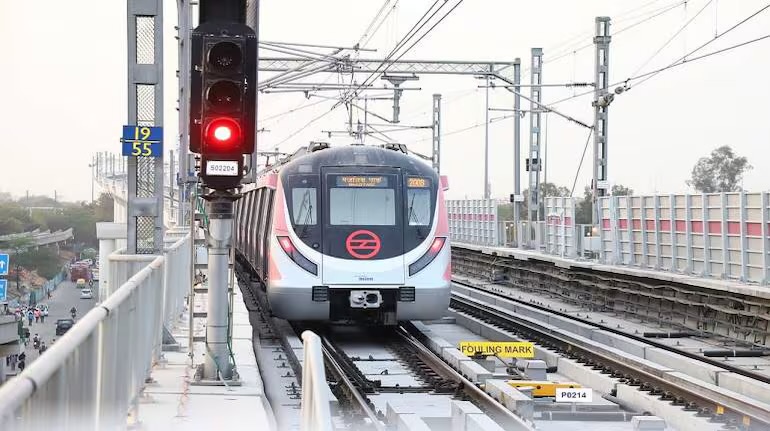
PM Modi Inaugurates Key Corridors Completing India’s First Ring Metro...
Prime Minister Narendra Modi has inaugurated the final segments of the Delhi Metro’s Ring Corridor,...