




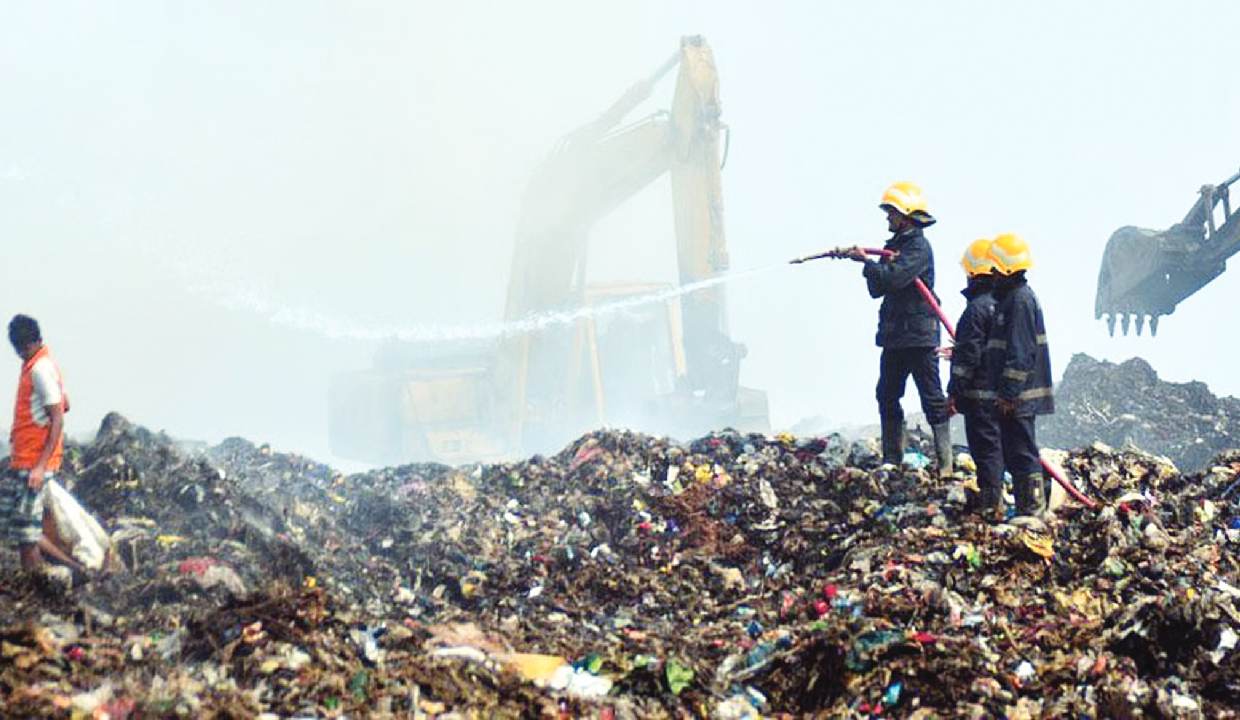
The Supreme Court of India has issued a set of directives aimed at ensuring the effective implementation of the Solid Waste Management Rules, 2026 across the country. The ruling comes against the backdrop of growing concerns about how waste is handled in both urban and rural areas, and the serious consequences of unmanaged waste for public health, environment and quality of life.
These directives were issued following a detailed review of how solid waste is managed in multiple states and Union Territories, and after considering evidence that waste rules have not been implemented uniformly or effectively in many parts of the country.
What the Supreme Court Directed
The Supreme Court’s directives include the following key points:
1. Pan-India Implementation of SWM Rules 2026
The court ordered that the Solid Waste Management Rules, 2026 must be implemented uniformly across all states and Union Territories. This includes cities, towns and rural areas.
2. Accountability and Reporting
The court mandated that state governments and local bodies must submit periodic reports on how waste is being collected, segregated and treated. This is meant to ensure transparency and regular monitoring.
3. Segregation at Source
The court emphasised the need for strict enforcement of waste segregation at source — meaning households, commercial establishments and institutions must separate organic, recyclable and non-recyclable waste before a waste collector picks it up.
4. Treatment and Disposal Infrastructure
Municipal bodies have been directed to ensure that waste processing facilities such as composting units, recycling centres and sanitary landfills are in place and functional. The court stressed that dumping untreated waste is unacceptable and contributes to pollution and disease.
5. Public Participation and Awareness
The court recognised that citizens play a vital role in waste management. It emphasised the importance of public awareness campaigns, education and participation to make waste management effective on the ground.
These directions aim to bring uniformity, accountability and measurable outcomes in how waste is handled across the country.
Why the Supreme Court Had to Step In
Solid waste management has long been a chronic problem in India. While rules have existed for years, implementation has been uneven and slow. Dumping of garbage in open areas, unsegregated waste collection, overflowing landfills and lack of recycling infrastructure are common issues in many cities and towns.
Municipal bodies often lack adequate resources or systems to ensure segregation, timely collection and scientific disposal. As a result, waste piles up on roads, drains get choked, and air and water pollution increase.
The Supreme Court observed that the persistence of these issues reflects both administrative failure and lack of accountability. It concluded that judicial oversight and clear directives were necessary to protect public health and uphold environmental rights.
Why This Is Important for Common Indians
This Supreme Court ruling matters to every Indian because solid waste affects daily life, health, environment and civic space.
1. Cleaner Streets and Public Places
When waste is properly managed, streets, parks and open spaces become cleaner. This improves quality of life in both large cities and small towns.
2. Better Public Health
Unmanaged waste contributes to the spread of diseases such as dengue, malaria and respiratory infections. Scientific waste disposal reduces breeding grounds for disease vectors and lowers health risks.
3. Reduced Pollution
Improperly dumped waste emits toxic gases and pollutes soil and water bodies. Effective waste treatment and controlled landfills can reduce environmental harm and protect water sources.
4. Job Creation and Recycling Economy
Segregation and recycling create opportunities for jobs in waste processing, recycling industries and related services. A stronger recycling economy benefits workers and reduces pressure on raw materials.
5. Accountability From Local Bodies
By directing local authorities to report regularly on waste management, the ruling ensures that citizens can hold municipal bodies accountable for their duties.
What You Can Do as a Citizen
The Supreme Court’s focus on public participation means that individuals have a role to play:
-
Segregate waste at source into organic, recyclable and non-recyclable waste
-
Use waste collection systems correctly and avoid littering public spaces
-
Support recycling and composting at home or in your community
-
Engage with local bodies to ensure compliance with waste management rules
-
Spread awareness in your neighbourhood about why proper waste management matters
Conclusion
The Supreme Court’s pan-India directives on solid waste management are a significant legal and environmental development. They push for uniform implementation of SWM Rules 2026, greater accountability, scientific waste treatment and meaningful citizen engagement. For ordinary Indians, this ruling is more than judiciary news, it is a reminder that cleanliness, public health and environmental protection require systems, oversight and active participation. Implementing these directives effectively can transform cities and towns across India, making them healthier, cleaner and more livable.

Post a comment
India’s Energy Crisis: Is Your piped Gas Running Out?
A major conflict in the Middle East has choked India’s gas supply lines, forcing a...
February 16 in Indian History: From the Father of Cinema...
February 16 serves as a day of solemn remembrance and high-tech progress in India. Historically,...
Great Nicobar Project- Development Vs Environment !!!
The National Green Tribunal has cleared one of India’s most controversial infrastructure plans, the Great...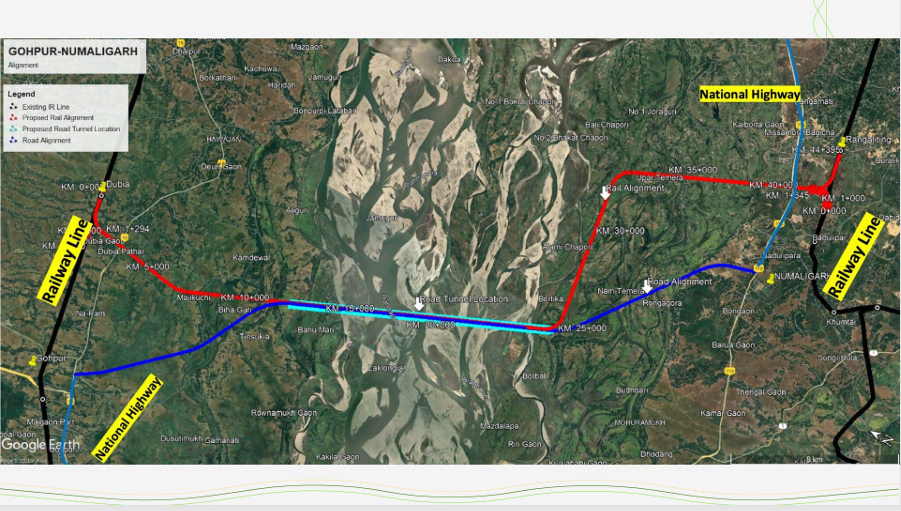
India's First Underwater Road & Rail Tunnel
India is building its first ever underwater twin tube road cum rail tunnel in Assam,...