




India has become part of an international effort known as Pax Silica, which was launched by the United States in December 2025 to strengthen and secure global supply chains for advanced technologies like semiconductors, artificial intelligence (AI), critical minerals and digital infrastructure. The initiative is a coalition of countries that share a common interest in building stable, trusted and resilient technology ecosystems, particularly as geopolitical tensions shape competition in critical tech sectors.
What Is the Pax Silica Initiative?
Pax Silica is a multilateral technology and economic security initiative led by the United States that seeks to coordinate trusted partners around the world to secure supply chains for foundational technologies. This includes chips, silicon, rare earth elements and AI infrastructure, which are essential components of nearly all modern devices and systems. The name “Pax Silica” itself combines the word Pax, meaning peace or stability, with Silica, a fundamental material used in semiconductors.
The initiative is not a military alliance. It is an economic and technology partnership aimed at reducing dependencies on single sources for critical tech inputs, and at ensuring that key technologies are developed and deployed through trusted, reliable partners.
Why India’s Inclusion Is Important
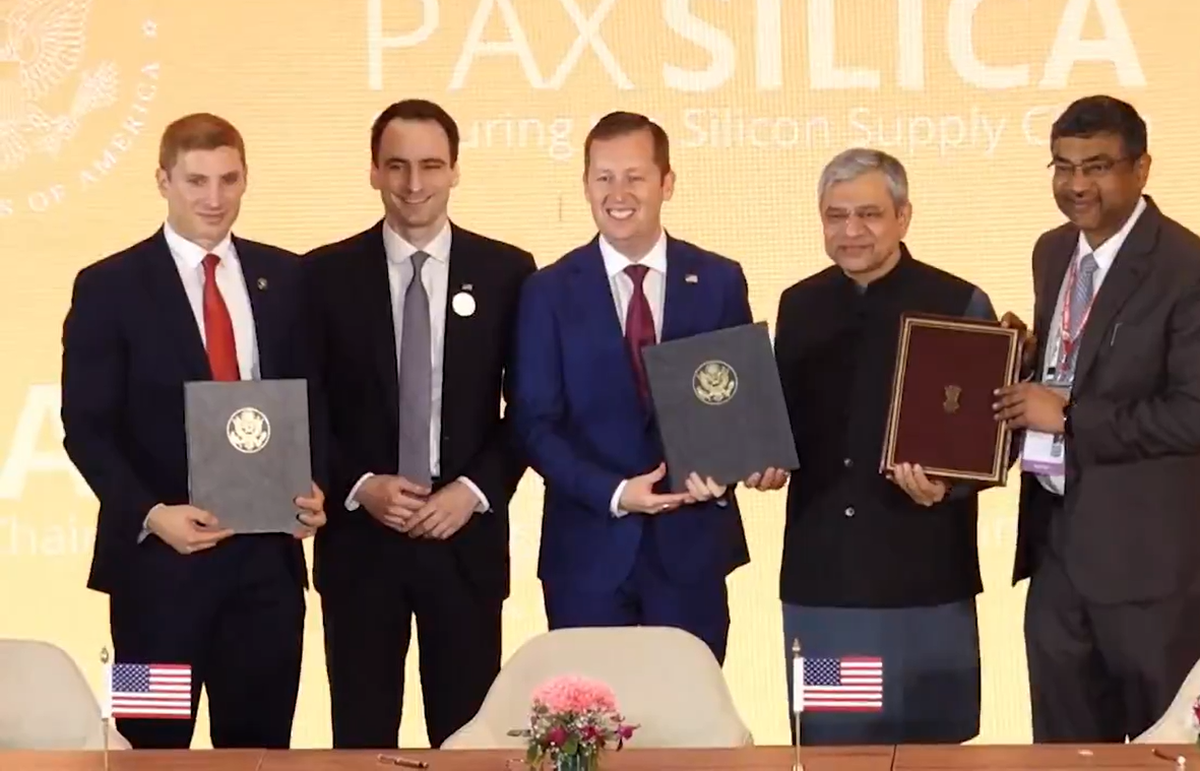
India signed the Pax Silica Declaration at the India AI Impact Summit 2026 in New Delhi, marking a significant step in global technology diplomacy. This moves India into a group of countries collaborating to secure resilient supply chains for advanced technologies and reduce the risk of disruptions caused by geopolitical tensions or concentrated manufacturing capacity in a few locations.
Several key reasons explain why this is worth noting:
1. Strengthening Tech and AI Strategy
Membership connects India to a broader network of countries cooperating on AI and semiconductor ecosystems. This can open doors for collaboration on research, investments and innovation in technologies that are set to shape future industries.
2. Securing Critical Supply Chains
India can benefit from improved access to semiconductors, rare earth minerals and advanced manufacturing networks. These inputs are essential for electronics, AI systems, defence technology and digital infrastructure. By joining this initiative, India aligns itself with partners seeking alternatives to over-reliance on any single country for critical components.
3. Economic and Industrial Growth Opportunities
India has been investing in its own semiconductor and AI capabilities through programmes like the India Semiconductor Mission and national AI initiatives. Joining Pax Silica allows India to link domestic projects with global supply chains, potentially attracting investment, technology transfer and jobs in high-tech sectors.
4. Reducing Risk from Geopolitical Disruption
The semiconductor and tech supply chain is highly concentrated. For example, China dominates rare earth processing, and a disruption in a single region can impact global production. Pax Silica’s goal is to build resilience against such shocks, which can affect everyday products like smartphones, automobiles, medical devices and industrial machinery.
Why This Matters for Ordinary Indians
At first glance, the Pax Silica Initiative seems like a strategic issue for diplomats and industry leaders only. But its effects are broad and can influence the daily life of citizens in several ways:
1. Better Access to Technology and Products
When supply chains for semiconductors and AI components are secure and diversified, there is less risk of shortages or price increases for consumer electronics, appliances and vehicles — items that rely heavily on chips. A more resilient global supply chain means more stable prices and availability for products Indians use every day.
2. More Jobs and Economic Growth
India’s inclusion can help attract foreign investment into high-tech manufacturing, research labs and training programmes. This translates into job creation in sectors like semiconductor fabrication, AI development, advanced manufacturing and data infrastructure — opportunities that do not exist in large scale today.
3. Strengthening National Tech Capabilities
Closer cooperation with countries at the forefront of AI and semiconductor technology can accelerate India’s own technological progress. This has long-term implications for education, industry competitiveness, startup growth and global leadership in emerging fields.
4. Reducing Vulnerability to Global Disruptions
Global supply chains can be disrupted by pandemics, conflicts or trade tensions. A network like Pax Silica helps ensure that critical technology inputs do not become bottlenecks that impact jobs, industry output or national development goals.
Conclusion
India’s entry into the Pax Silica Initiative is worth noting not only for policy makers but for every citizen. It signals a shift in how India is positioning itself in the global technology landscape, beyond being a consumer of technology to becoming an active partner in securing and shaping the future of technology supply chains. While the initiative does not directly change life overnight, it lays the groundwork for greater tech resilience, economic opportunities, and stronger domestic industries, factors that influence jobs, innovation and everyday access to modern technology.

Post a comment

Great Nicobar Project- Development Vs Environment !!!
The National Green Tribunal has cleared one of India’s most controversial infrastructure plans, the Great...
This Startup Turned Links Into Money
Wishlink is turning everyday scrolling into instant shopping by helping creators monetize recommendations while making...
From Invisible to Influential: The Power of Personal Branding
Standing out is no longer optional. Personal branding helps you showcase your expertise, build credibility,...
AI Videos Are Going Viral but Are We Losing Control...
From talking fruits and vegetables to storytelling cats, AI videos are flooding the internet. They’re...