





The Reserve Bank of India (RBI) recently announced that default loss guarantees (DLGs) can again be used by non-banking finance companies when calculating their required loan loss buffers. NBFCs play a big role in India’s credit ecosystem, especially for retail loans, small business loans, housing finance and vehicle loans.
The decision means that NBFCs can now include DLGs provided by eligible third parties when setting aside funds to cover potential defaults by borrowers. This move is expected to improve the financial strength of NBFCs, reduce pressure on their balance sheets and support continued lending activity.
What Are Default Loss Guarantees (DLGs)
A default loss guarantee is a contractual arrangement in which a regulated entity, such as an NBFC or bank, enters into a guarantee with an eligible third party. Under this guarantee, the third party agrees to compensate the lender for losses if borrowers default on their loans.
For example, if an NBFC lends to a small business and the business fails to repay, the third party guaranteeing the loan will pay a specified portion of the loss to the NBFC.
The RBI has reinstated the ability of NBFCs to factor such guarantees into their capital calculations. However, there is a cap that the total amount of DLG cover on any outstanding loan portfolio cannot exceed 5 percent of the value of that loan portfolio.
Why RBI Restored This Rule
The RBI’s decision to restore the use of DLGs reflects several underlying priorities:
Strengthening NBFC Balance Sheets
NBFCs often provide credit in areas where banks are less active, including consumer loans, micro and small business credit, and vehicle and housing finance. These companies need strong risk-management tools to absorb potential defaults.
Allowing DLGs again helps NBFCs reduce the amount of money they must keep aside purely as a buffer against potential loan losses. This improves their available capital and ability to continue lending.
Encouraging Credit Flow in the Economy
India’s economy depends on widespread access to credit. When NBFCs face too much pressure to retain large buffers for loan losses, they may tighten lending, raise interest rates or reduce credit to riskier but necessary segments like small businesses.
By permitting DLGs, the RBI lowers that pressure, helping NBFCs keep credit flowing in the economy.
Promoting Private Risk Sharing
Default loss guarantees encourage third parties, such as insurers or larger financial institutions, to participate in sharing credit risk. This spreads responsibility and helps NBFCs remain resilient during stress.
Why This Matters to a Common Indian
At first glance, this may seem like a rule for finance professionals. But many Indians are affected indirectly and directly:
1. Easier Access to Credit
NBFCs serve millions of people with personal loans, business loans, vehicle loans and housing finance, especially where banks have limited reach. Making NBFCs stronger and more confident in lending means ordinary borrowers may find loans easier to access.
2. Potential Interest Rate Stability
When lenders have to keep large loss buffers, they often compensate by charging higher interest rates. By allowing DLGs, NBFCs may be able to offer more competitive interest rates or avoid sharp increases, benefiting consumers and small businesses.
3. Support for Small Businesses and Jobs
Small businesses rely heavily on NBFC credit for working capital and growth. Easier access to credit can help entrepreneurs expand, hire more staff and invest in growth. This can support jobs and incomes in local communities.
4. Reduced Risk of Credit Crunch
In times of economic stress, NBFCs may cut back lending because of fear of loan defaults. DLGs help NBFCs manage that risk better, which can prevent a credit squeeze that would hurt consumers, traders, small businesses and the broader economy.
5. Confidence in Financial Stability
When NBFCs are stronger and have more tools to absorb risks, this contributes to overall confidence in the financial system. This matters to all Indians who depend on stable credit availability for personal and business needs.
Conclusion
The RBI’s decision to restore the use of default loss guarantees for NBFCs is an important and timely move. It strengthens the ability of NBFCs to manage risk, supports the flow of credit across the economy, and can help ordinary Indians by making loans more available and possibly more affordable. While the language of default loss guarantees may sound technical, the impact touches daily life in borrowing, business growth and financial stability.


Post a comment

India’s Energy Crisis: Is Your piped Gas Running Out?
A major conflict in the Middle East has choked India’s gas supply lines, forcing a...
February 16 in Indian History: From the Father of Cinema...
February 16 serves as a day of solemn remembrance and high-tech progress in India. Historically,...
This Startup Turned Links Into Money
Wishlink is turning everyday scrolling into instant shopping by helping creators monetize recommendations while making...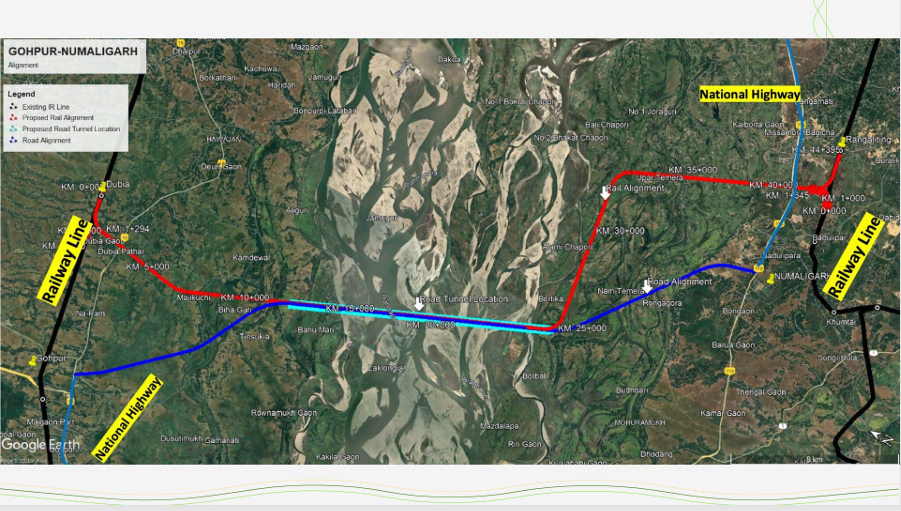
India's First Underwater Road & Rail Tunnel
India is building its first ever underwater twin tube road cum rail tunnel in Assam,...