




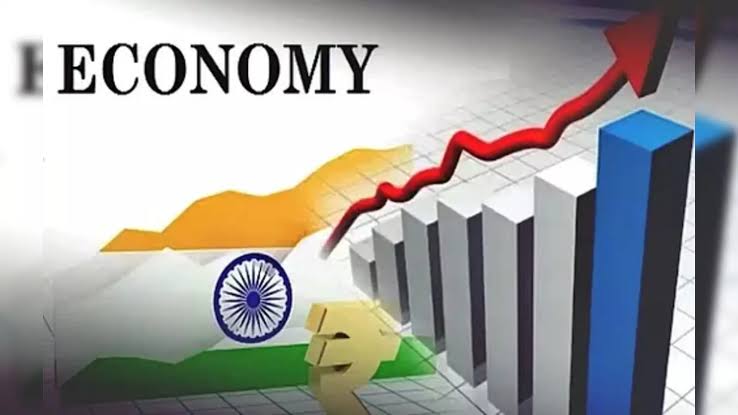
The 7.8% growth for the October-December 2025 quarter exceeded most economist estimates (which averaged around 7.4-7.6%). While this reflects a sequential moderation from the revised 8.4% growth in Q2, it indicates a significant strengthening of economic fundamentals through structural shifts and improved data tracking.
Key Highlights of the Q3 Data & New Series:
• Sectoral Performance: The manufacturing sector emerged as a stellar performer with double-digit growth (reaching 11.5%), fueled by the new "double deflation" methodology that better measures real value added. The services sector also showed resilience, with trade, hotels, and transport posting strong gains.
• The New 2022-23 Base Year: The revision (the 9th in India's history) was implemented to capture the structural changes in the post-pandemic economy. It incorporates modern data sources like GST returns, e-Way bills, and e-Vahan registration data, providing a more accurate picture of the digital and informal sectors.
• Expenditure Drivers: Private Final Consumption Expenditure (PFCE) grew by 8.7%, signaling a major recovery in household demand. Gross Fixed Capital Formation (GFCF)—an indicator of investment—grew by 7.8%, reflecting both strong government capex and early signs of a private investment revival.
• Revised Projections: With the new base in place, the government has revised the full-year FY26 Real GDP growth to 7.6% (up from 7.4%). Nominal GDP growth for the fiscal is pegged at 8.6%, with the total economy projected to reach ₹322.58 lakh crore.
Strategic Significance:
Chief Economic Advisor (CEA) V. Anantha Nageswaran noted that the new series provides "improved sectoral representation" and suggests that India is well on track to surpass the $4 trillion mark by FY27. The recalibration has also led to a revision of past growth: FY24 growth is now set at 7.2% and FY25 at 7.1%.
Market Reaction:
Despite the "statistical reset," the markets reacted positively to the higher-than-expected growth print. However, some analysts noted that the nominal GDP estimate (used for Budget calculations) came in slightly lower than the figures used in the FY27 Union Budget, which may require minor fiscal recalibrations in the coming months.


Post a comment


Penny Stock Rises Despite Market Weakness!
Despite a sharp market decline with benchmark indices falling over 1%, a low-priced stock under...
How Brands Are Turning Internet Humor into Business
What do memes, push notifications, and classic ads have in common? They’re proof that humor...
Turn Your Free Time Into Money
Between busy schedules and endless scrolling lies untapped potential. A few smart moves in your...
India’s Return To Land Signals Lifestyle Shift!
Urban professionals across India are rediscovering farmland as more than an investment—embracing sustainability, wellness, and...