




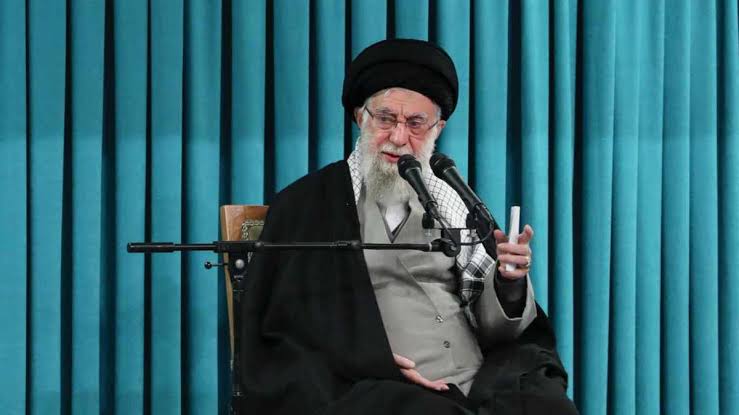
Iran’s political future has come under intense global scrutiny as discussions around succession to Supreme Leader Ayatollah Ali Khamenei gain momentum. Unlike democratic elections, Iran follows a unique religious-political system where the next Supreme Leader is chosen through a constitutional yet highly controlled process.
The responsibility lies with the Assembly of Experts — an 88-member clerical body elected by the public but vetted by powerful institutions aligned with the existing leadership. This assembly evaluates religious authority, political loyalty, and revolutionary credentials before selecting a successor. The chosen leader holds sweeping powers, including control over the military, judiciary, state broadcasting, and key policy decisions, making the position central to Iran’s governance.
Experts believe succession could reshape Iran’s domestic politics and foreign policy, especially amid regional tensions and global diplomatic pressures. While speculation continues around potential candidates from senior clerical and political circles, the final decision remains deeply opaque.
The transition, whenever it occurs, will not only determine Iran’s ideological direction but could also influence Middle East stability, global energy markets, and international relations for years to come.

Post a comment


Seven Indian Startups Saving The Planet Right Now!
Meet the eco-warriors transforming India's future with revolutionary battery recycling, bamboo-based packaging, and air purification...
Fake Resume Scandal Forces Startup Hiring Reset!
startup’s costly hiring mistake after trusting a fake resume highlights growing recruitment risks, pushing companies...
Indian Edtech Collapse Raises Questions Over Governance!
A once-celebrated Indian tech giant’s financial crisis and missing funds controversy expose deeper issues in...
India’s Return To Land Signals Lifestyle Shift!
Urban professionals across India are rediscovering farmland as more than an investment—embracing sustainability, wellness, and...