



Scroll through TikTok or Instagram today, and you might notice something strange. The songs sound super familiar. The memes feel like you've seen them before. Even the makeup and fashion trends look like they’ve time-travelled from somewhere in the past. That’s because the internet seems to be revisiting a very specific moment in time: 2016.
All over social media, people are posting stuff using music from the mid-2010s, bringing back big winged eyeliner, chokers, Tumblr looks, and silly meme humour. It started with a few posts and turned into a thing as people keep asking: Why does 2026 feel like 2016?
One reason is what some internet experts call the nostalgia loop. Popular trends on the internet usually come back every 8–10 years, like music, clothes, memes, and styles. What once seemed outdated returns and is embraced as novel, especially among younger people encountering it for the first time.
For Gen Z, 2016 is special. Many people in this generation were teenagers or pre-teens during that time, which means their early online experiences were shaped by the internet culture of that era. Platforms like Vine, Tumblr, and early YouTube made things wild and free. Memes spread fast, and the content wasn't too perfect. Now, it feels more real than today’s perfect feeds.
There is also a psychological reason behind the obsession. Studies on nostalgia suggest that people often romanticise the time when they first became deeply connected to music, pop culture, and the internet. For Gen Z, that moment often happened somewhere between 2014 and 2017, making 2016 a kind of emotional reference point for online culture.
Another thing is that social media likes things that are familiar. Stuff that makes us feel nostalgic does well because it reminds us of good times. When someone posts something that makes people think of a specific time, like a song or meme, people know it right away and are interested, which makes the thing keep going.
The “2016 comeback” is actually about how internet culture changes. The internet keeps looking at old ideas, changing them, and showing them to new people.
Maybe 2026 isn’t turning into 2016, but as nostalgia cycles, online culture keeps revisiting its most chaotic and creative moments.

Post a comment
AI Videos Are Going Viral but Are We Losing Control...
From talking fruits and vegetables to storytelling cats, AI videos are flooding the internet. They’re...
From Invisible to Influential: The Power of Personal Branding
Standing out is no longer optional. Personal branding helps you showcase your expertise, build credibility,...
This Startup Turned Links Into Money
Wishlink is turning everyday scrolling into instant shopping by helping creators monetize recommendations while making...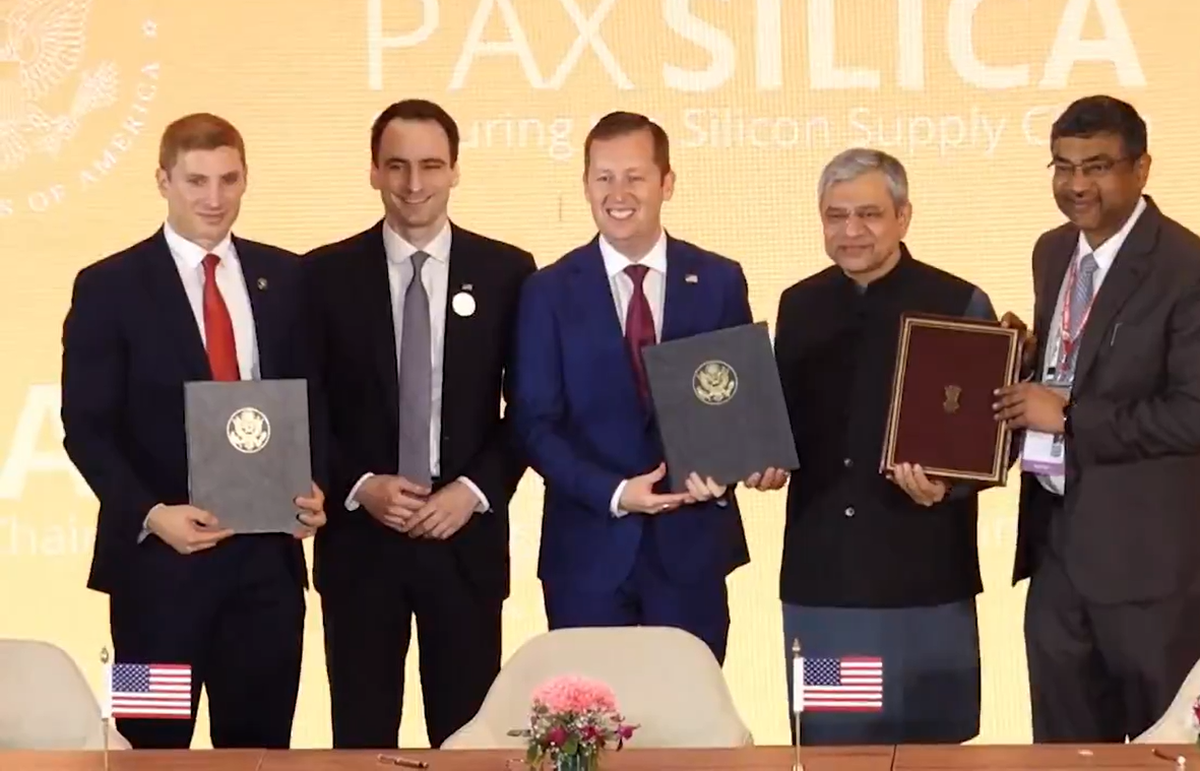
Pax Silica Explained, and Why It Is Important for India
India has formally joined an emerging global coalition called Pax Silica, a major United States-led...