





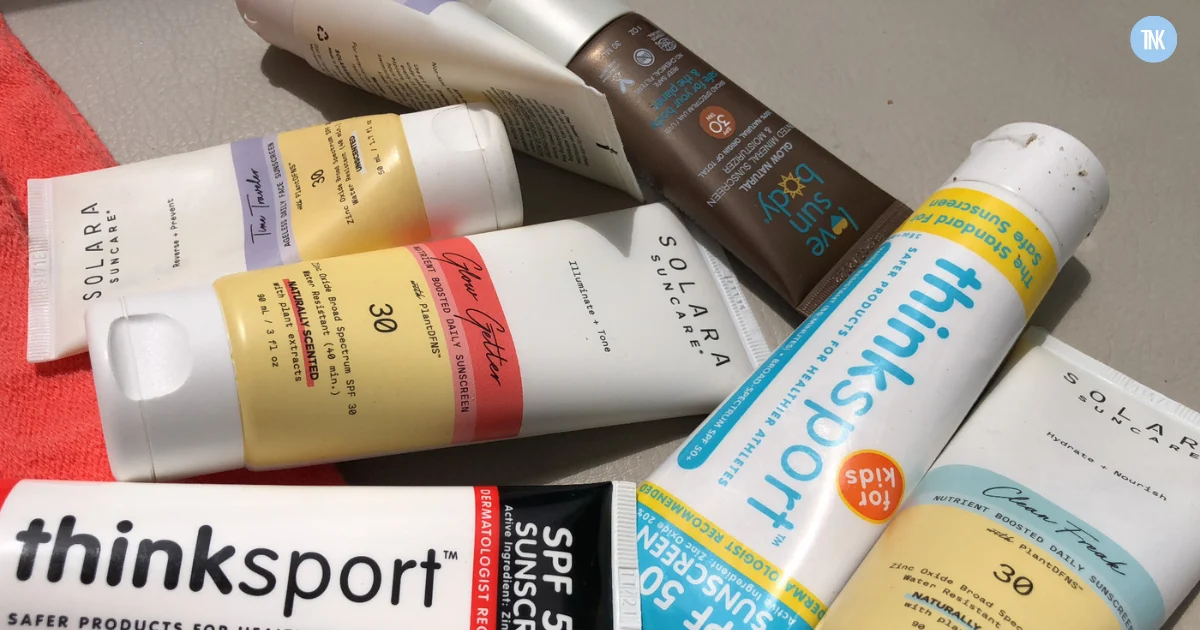
Sunscreen is more than just a summer essential - it is a smart combination of science and chemistry designed to protect the skin from harmful UV radiation. Sunlight releases three types of ultraviolet rays: UVA, UVB, and UVC. Among them, UVA rays penetrate deep into the skin and are mainly responsible for premature ageing and long-term skin damage. UVB rays cause sunburn and direct DNA damage, while UVC rays are mostly blocked by Earth’s atmosphere and do not usually reach us.
To protect the skin, sunscreens use special UV-blocking chemicals. Ingredients like zinc oxide and titanium dioxide act as mineral blockers that scatter and reflect UV rays away from the skin. Chemical filters such as avobenzone, oxybenzone, octyl methoxycinnamate, and homosalate absorb UV radiation and convert it into tiny amounts of heat before it can damage skin cells.
Different ingredients target different rays. For example, avobenzone mainly blocks UVA rays, while homosalate helps block UVB rays. Some ingredients, like oxybenzone, can protect against both UVA and UVB radiation.
The SPF number on sunscreen bottles measures protection mainly against UVB rays. Higher SPF offers stronger defense, but experts say reapplying sunscreen every few hours is equally important because sweat, water, and sunlight gradually reduce its effectiveness.


Post a comment


Is H&M really tall-friendly?
Tall shoppers say H&M works for some fits, but sleeve length and pant size issues...
Love window seats? This could damage your skin!
Window seats expose you to hidden UVA rays at high altitude, making sunscreen and simple...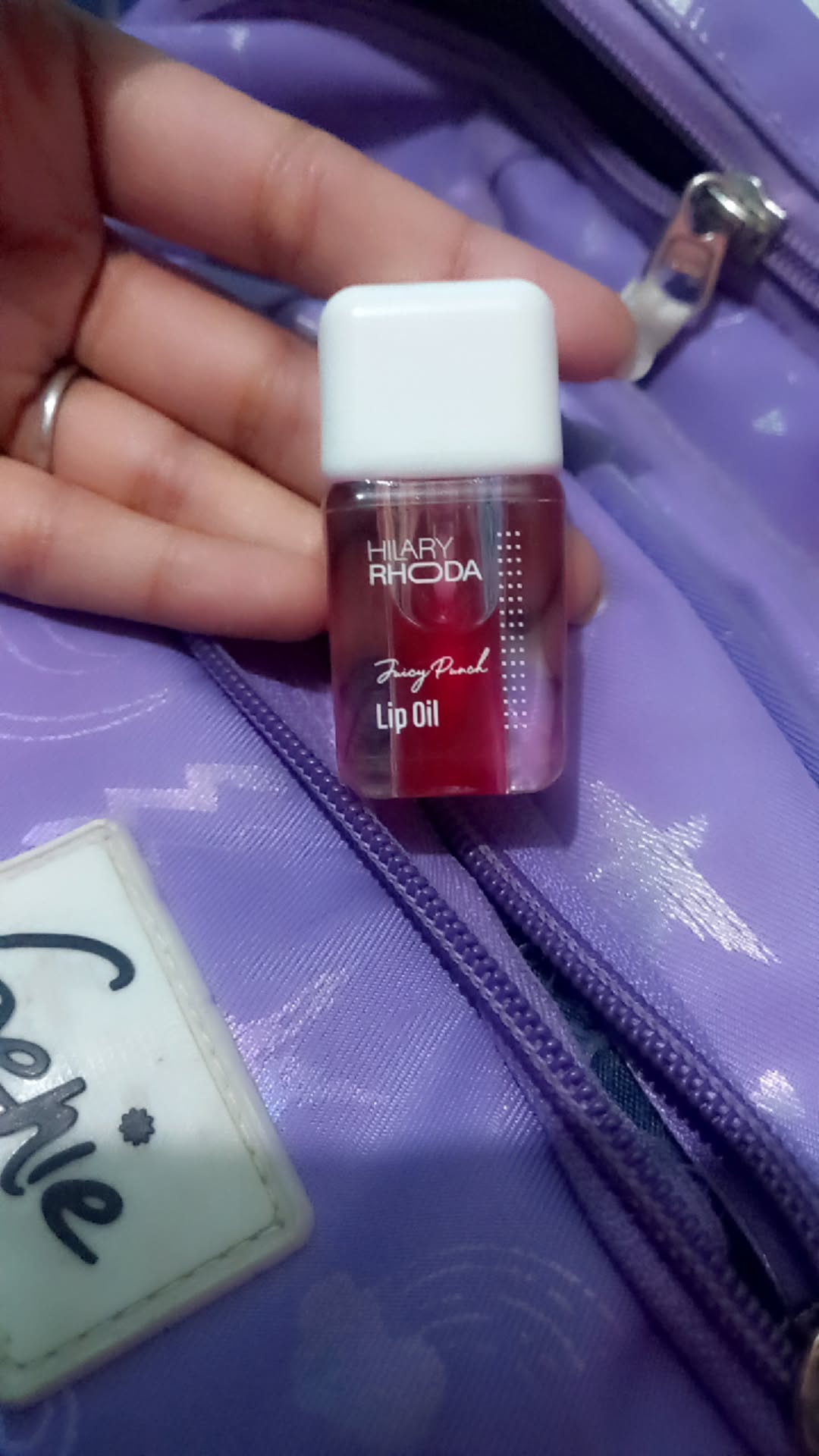
The viral “college glow”: why Hilary Rhoda is every DEI...
Hilary Rhoda lip balm is a campus favourite, offering glossy shine, hydration, and affordability-perfect for...
What Happens to Unsold Clothes in Fashion Brands?
That “sold out” look isn’t always real.What brands do with leftover clothes might actually shock...