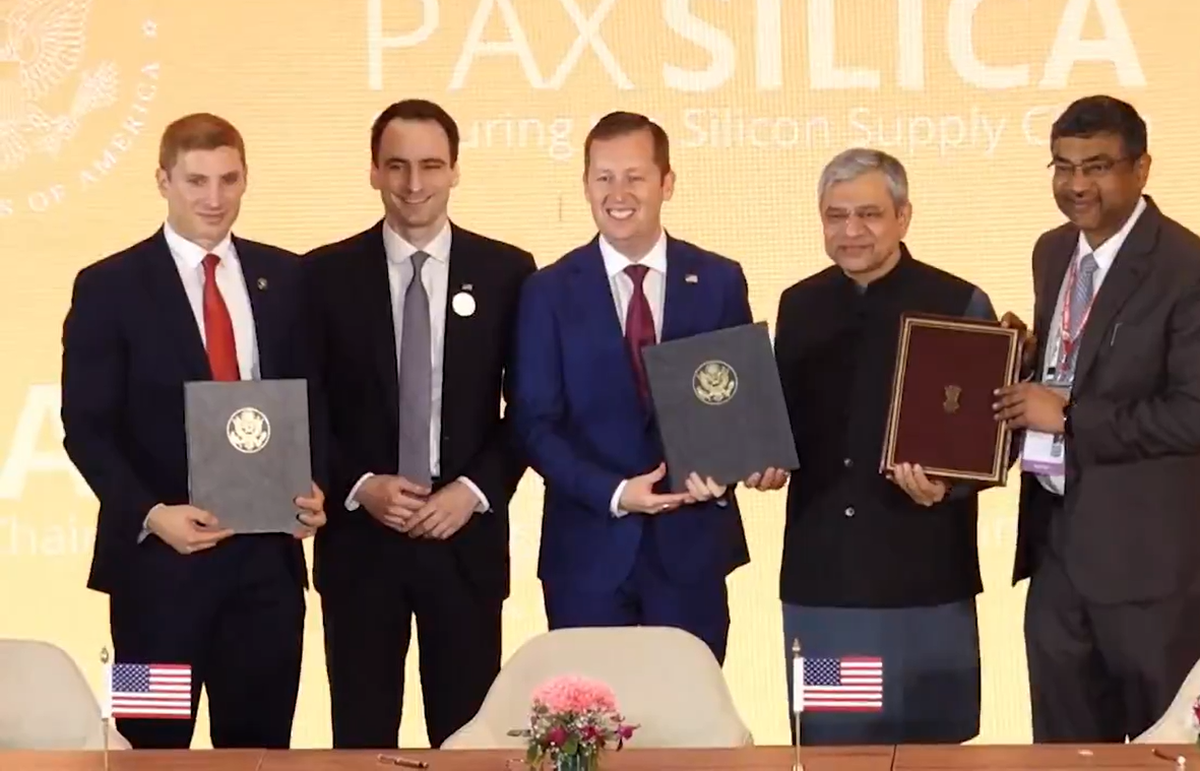





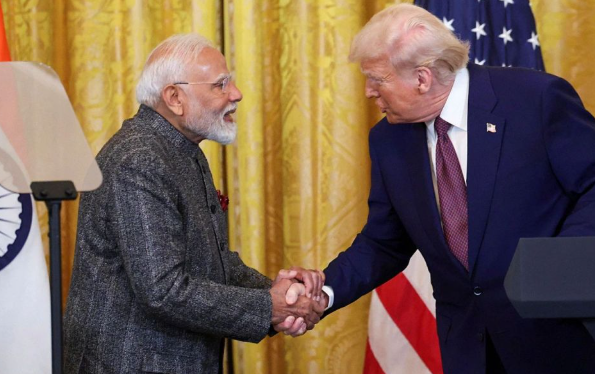
India and the United States have reached a fresh trade agreement that reduces U.S. reciprocal tariffs on Indian goods from 25% to around 18%. At first glance, it sounds like just another diplomatic update but for India’s economy, this move carries real implications.
So the big question is: Is this deal actually good for India?
The Short Answer: Mostly Yes
Lower tariffs mean Indian products become cheaper and more competitive in the U.S. market. For exporters who were struggling with higher duties, this is a direct boost. It improves profit margins, increases demand potential, and strengthens India’s position as a reliable global supplier.
The announcement has already lifted market sentiment because investors see this as a step toward more stable trade relations with one of India’s largest trading partners.
Which Sectors Benefit the Most?
Not every industry gains equally. The biggest winners are likely to be:
-
Textiles and Apparel: One of India’s strongest export segments. Lower duties could make Indian garments more attractive compared to competitors like Vietnam and Bangladesh.
-
Pharmaceuticals: India is a major supplier of generic medicines to the U.S. Reduced trade barriers help drug manufacturers expand exports more easily.
-
Automobiles and Auto Components: Indian auto parts makers, who rely heavily on the U.S. market, stand to gain from better pricing competitiveness.
-
Engineering Goods & Machinery: Cheaper tariffs make Indian-made equipment more viable for American buyers.
-
Agricultural Products: Items like seafood, spices, and processed foods could see improved demand due to lower import costs.
What Does India Give in Return?
Trade deals always involve compromise. India has signalled greater openness on certain trade policies and reportedly made commitments related to energy purchases, including reducing dependence on Russian oil.
This is a strategic move, strengthening ties with the U.S. while balancing geopolitical relationships.
Are There Any Downsides?
A few.
Opening markets more widely could increase competition for Indian domestic industries. Sectors that rely on protection through high import duties might feel pressure if India is forced to reduce tariffs on American goods in the future.
Also, geopolitical commitments like shifting energy purchases could have cost implications depending on global oil prices.
The Bigger Picture
This deal isn’t just about tariffs; it’s about stability. In a world of rising protectionism, closer India–US cooperation sends a strong signal to global markets.
For India, better access to the U.S. market means more exports, more jobs, and potentially higher economic growth. While challenges remain, the overall direction is clearly positive.
Bottom Line
-
Lower U.S. tariffs = better opportunities for Indian exporters
-
Key winners: textiles, pharma, auto components, engineering, agriculture
-
Some compromises involved, but long-term benefits outweigh the risks
For now, this looks like a net positive move for India’s economy especially for export-driven sectors.


Post a comment

Trump Tariff's Not Legal ? Explained
The U.S. Supreme Court recently delivered a landmark ruling limiting presidential authority under the International...
From Invisible to Influential: The Power of Personal Branding
Standing out is no longer optional. Personal branding helps you showcase your expertise, build credibility,...
AI Videos Are Going Viral but Are We Losing Control...
From talking fruits and vegetables to storytelling cats, AI videos are flooding the internet. They’re...
Nvidia to Invest $30 Billion in OpenAI
Nvidia is reportedly close to finalising a $30 billion investment in OpenAI, one of the...