





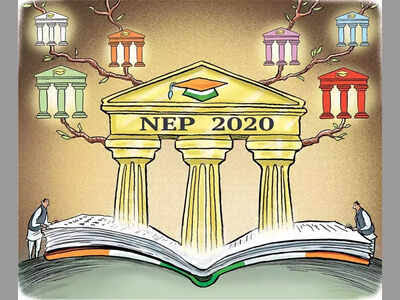
The NEP 2020 aims to overhaul India’s fragmented higher education system by introducing a unified regulatory framework, but for minority-run schools and colleges, this "oneness" is raising significant legal questions. Under Article 30(1) of the Indian Constitution, religious and linguistic minorities have the fundamental right to "establish and administer educational institutions of their choice." However, the NEP’s push for a single "light but tight" regulator—the Higher Education Commission of India (HECI)—and standardized common entrance exams like the CUET is perceived by some as a challenge to the administrative independence these institutions have historically enjoyed.
The core of the tension lies in the shift toward "graded autonomy." While the NEP promises to grant more freedom based on performance, it also mandates a multidisciplinary curriculum and standardized faculty recruitment norms that may not always align with the specific cultural or religious missions of minority foundations. Proponents of the policy argue that these reforms ensure quality and equity, bringing all students under a high-standard national umbrella. Conversely, critics argue that the "centralizing" nature of these reforms could dilute the unique character of minority institutions, effectively turning their constitutional "choice" into a mandatory compliance checklist.
As the policy moves from paper to practice in 2026, the courts are increasingly becoming the arbiters of this transition. The debate isn't just about pedagogy; it’s about the "administrative heart" of these institutions—their power to appoint staff, admit students, and define their own values. As regional and minority-led educational bodies seek clarifications, the outcome will likely define the future of pluralism in India’s classrooms. Whether the NEP acts as a catalyst for excellence or a constraint on identity remains the central question for the nation’s diverse educational landscape.

Post a comment

Your Wardrobe Is Hidden Politics: Find Out Why!
Journalist Shefalee Vasudev explores how India's fashion and lifestyle choices are deeply intertwined with complex...
The Stars Have Spoken: Is Luck Yours?
Discover what the universe has planned for you today as planetary alignments shift, bringing unexpected...
Seven Indian Startups Saving The Planet Right Now!
Meet the eco-warriors transforming India's future with revolutionary battery recycling, bamboo-based packaging, and air purification...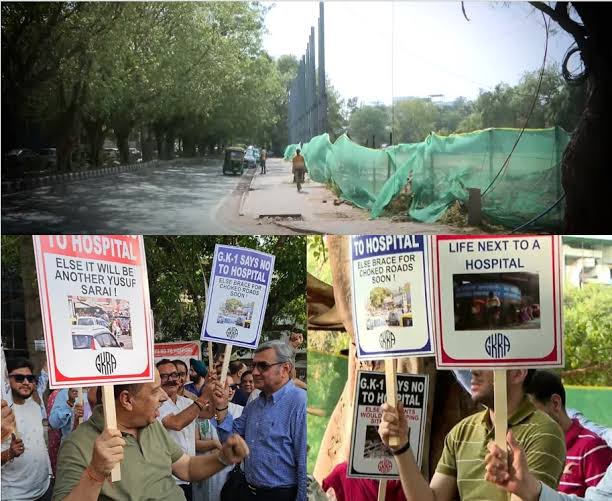
Why Is This Posh Locality Fighting A Hospital?
Residents in a South Delhi neighborhood are waging a fierce legal battle to stop a...