






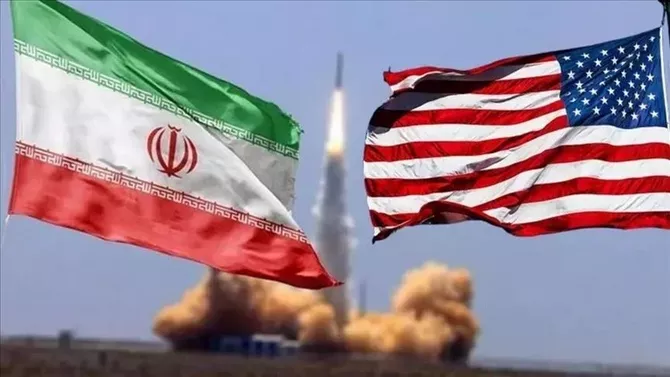
As tensions between Iran and the United States intensify, the world is once again watching a long-standing geopolitical rivalry move closer to open confrontation. Years of disputes over Iran’s nuclear ambitions, strict economic sanctions imposed by the United States, and repeated military incidents in the Middle East have steadily increased friction between the two nations. Recent escalations have raised global concerns not only about regional stability but also about the security of crucial energy routes that power much of the world’s economy. In a globalized market, such conflicts rarely remain isolated events, their effects often travel far beyond the region where they begin.
One of the main reasons India is affected by conflicts in the Middle East is its dependence on imported crude oil and liquefied petroleum gas (LPG). A large portion of India’s energy needs is met through imports from global markets, particularly from oil-producing regions in the Middle East. When geopolitical tensions rise in these regions, global oil prices tend to increase because markets anticipate possible disruptions in supply.
A crucial geographical factor in this situation is the Strait of Hormuz, a narrow but strategically important waterway through which a significant share of the world’s oil shipments passes. Many of the oil tankers carrying fuel to India travel through this route. If tensions escalate and shipping becomes risky or restricted, the transportation of crude oil and LPG can slow down or become more expensive. Even the possibility of disruption can push global oil prices upward.
When international crude oil prices rise, the effects quickly reach India’s domestic market. Petrol and diesel prices may increase because fuel costs are closely linked to global oil markets. Higher fuel prices then raise transportation costs, which affects industries ranging from agriculture to manufacturing. As a result, goods become more expensive to produce and transport, contributing to overall inflation in the economy.
Cooking gas is another area where the impact becomes visible in everyday life. LPG cylinders are widely used in Indian households for cooking. Since India imports a large portion of its LPG supply, any rise in international energy prices can make LPG more expensive. Commercial LPG cylinders used by restaurants, food vendors, and small businesses may also become costlier,
India’s Response: How the Country Is Managing the Impact
Despite these challenges, India has taken several steps to reduce the impact of global energy disruptions and strengthen its energy security.
One important measure is the development of strategic petroleum reserves. These reserves are large storage facilities where crude oil is stored for emergency situations. If global supply chains are disrupted, India can temporarily rely on these reserves to stabilize the domestic fuel market. Such reserves provide a buffer that allows the government to manage short-term supply shocks without immediate shortages.
Another strategy India has adopted is diversifying its energy import sources. Instead of depending heavily on a few suppliers, India has expanded its oil purchases from different countries. By importing energy from multiple regions, the country reduces the risk that a single geopolitical conflict will severely disrupt its fuel supply.
India is also strengthening its energy infrastructure by expanding storage capacity for both crude oil and LPG. Increased storage helps maintain a steady supply even during periods of international uncertainty. This ensures that essential services such as household cooking gas, public transportation fuel, and industrial fuel supply continue functioning smoothly.
In addition, the government has been working to protect critical sectors by prioritizing fuel distribution where it is most needed. Under measures supported by the Essential Commodities Act, 1955, authorities can regulate the production, supply, and distribution of key resources during times of crisis. This helps ensure that essential household LPG supply, public transport fuel, and key industries receive priority, minimizing disruption during global price fluctuations.
Over the long term, India is also investing heavily in renewable energy sources such as solar and wind power. By expanding clean energy production, the country aims to reduce its dependence on imported fossil fuels. Although the transition to renewable energy will take time, it represents an important step toward strengthening India’s energy independence and resilience, increasing operational expenses for these businesses.
These economic pressures create a ripple effect. Rising fuel prices influence transportation, logistics, and manufacturing costs, which eventually affect the prices of goods and services. For ordinary consumers, this may mean higher spending on transportation, food, and household energy. In this way, geopolitical tensions thousands of kilometers away can gradually affect everyday life in India.
The rising tensions between Iran and the United States highlight how global conflicts can influence economies far beyond the regions where they occur. For India, which depends heavily on imported energy, such tensions can lead to higher fuel prices, increased LPG costs, and economic pressure. However, through strategic reserves, diversified imports, stronger infrastructure, and investments in renewable energy, India is gradually building resilience against global energy shocks.These efforts show that while geopolitical conflicts remain unpredictable, proactive planning can help protect national energy security and economic stability.


Post a comment

Your Wardrobe Is Hidden Politics: Find Out Why!
Journalist Shefalee Vasudev explores how India's fashion and lifestyle choices are deeply intertwined with complex...
The Stars Have Spoken: Is Luck Yours?
Discover what the universe has planned for you today as planetary alignments shift, bringing unexpected...
Why Is This Posh Locality Fighting A Hospital?
Residents in a South Delhi neighborhood are waging a fierce legal battle to stop a...
From Accenture To Lakhs: This Woman Smashed It!
Gurugram entrepreneur Shruti Kundan ditched her stable corporate career at Accenture to build Boholette, a...



1 Comments
Shailesh Aswal
March 13, 2026Such a informative article. Good job.