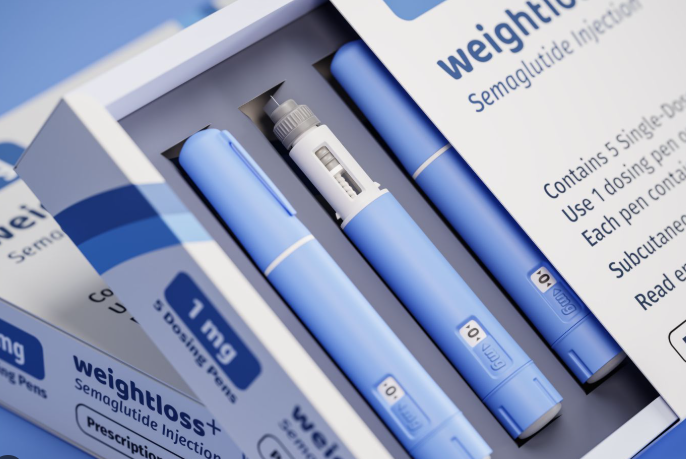
If you've heard about Ozempic or Wegovy trending on social media, you're witnessing one of the most significant shifts in modern medicine. These medications, part of a class called GLP-1 receptor agonists, are transforming how we approach weight management and metabolic health. Now, a major change is coming to India that could affect millions: the patent cliff of 2026.
From Diabetes Treatment to Weight-Loss Phenomenon
GLP-1 drugs were originally developed to treat type-2 diabetes by helping the body regulate blood sugar more effectively. Medications like semaglutide (branded as Ozempic and Wegovy) and tirzepatide (Mounjaro) work by mimicking a natural hormone that controls insulin release and slows digestion. However, during clinical trials, researchers discovered something remarkable: patients were losing significant amounts of weight which were often over 10% of their body weight.
This unexpected benefit transformed these medications from diabetes treatments into blockbuster weight-loss therapies, creating a global market estimated between $50-65 billion and projected to exceed $100 billion within the decade.
The Patent Cliff: What Changes in 2026
Currently, these drugs are expensive and manufactured primarily by pharmaceutical giants Novo Nordisk and Eli Lilly. However, key patents protecting semaglutide are expiring around 2026, opening the door for generic versions. In India, this has already triggered regulatory activity. The Drug Controller General of India (DCGI) has begun approving applications from Indian manufacturers like Sun Pharmaceutical Industries and Dr. Reddy's Laboratories to produce affordable generic versions.
This patent expiry means the legal barrier preventing other companies from manufacturing these drugs will fall, potentially making them accessible to far more people at significantly lower prices. India's GLP-1 market, already exceeding ₹1,000 crore annually, is expected to expand rapidly once generics enter.
Understanding the Risks
While increased accessibility sounds promising, these medications carry important health considerations. The most common side effects include nausea, vomiting, diarrhea, and abdominal discomfort. More serious concerns include gastroparesis (delayed stomach emptying), which has shown elevated occurrence in real-world studies, and rare cases of pancreatitis.
The concern for India's young population centers on potential misuse. As these drugs become cheaper and more available, there's risk of off-label use for cosmetic weight loss without medical supervision, self-administration without proper dosing guidance, and use by individuals with contraindications such as certain psychiatric conditions or thyroid disorders.
What This Means for Young Adults
The expanding availability of GLP-1 medications represents both opportunity and responsibility. For individuals with clinical obesity or metabolic conditions, affordable generics could provide life-changing treatment options. However, the health and wellness community must prioritize education over trends.
These are powerful medications requiring medical oversight, not lifestyle supplements. As India prepares for this pharmaceutical shift, young adults should approach GLP-1 drugs with informed caution, understanding both their therapeutic potential and the importance of proper medical supervision. The coming years will test whether increased access translates to better health outcomes or simply broader exposure to medical risks.
Sources and References
This article is based on information from the following sources:
- Reuters - Reports on Sun Pharma's clearance to sell generic Wegovy (semaglutide) and related regulatory approvals
- The Economic Times - Local press coverage of Sun Pharma DCGI approvals and Indian pharmaceutical industry developments
- Drug Controller General of India (DCGI) - Regulatory filings and approval documentation for generic semaglutide products
- Market Research Reports - GLP-1 analogue market sizing and forecasts from MarketsandMarkets, Mordor Intelligence, and industry analysis reports
- PubMed/PMC (PubMed Central) - Systematic reviews and clinical summaries on GLP-1 receptor agonist safety profiles and adverse events
- Product Safety Documentation - Semaglutide prescribing information, clinical labels, and adverse event reporting summaries from regulatory authorities
- Pharmaceutical Company Disclosures - Information from Novo Nordisk, Eli Lilly, Sun Pharmaceutical Industries, and Dr. Reddy's Laboratories regarding product development and manufacturing capabilities
- Clinical Trial Data - Published research on GLP-1 drugs' efficacy for diabetes treatment and weight management, including observational studies on gastroparesis and other adverse events
For educational and informational purposes only. This article is not medical advice. Consult healthcare professionals before starting any medication.