




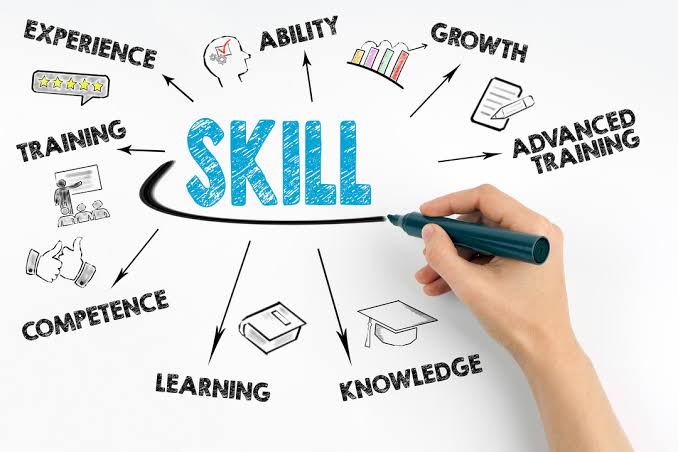
2025 wasn’t just about adapting to new tools — it was about developing new reflexes. As workplaces began using AI daily, we had to learn not only how to operate these tools but how to partner with them. That meant cultivating AI fluency — the ability to prompt, understand context, and collaborate without offloading our own thinking. Prompt-crafting became a superpower: the clarity of our questions now shaped the quality of results. But even more important was critical thinking and quick verification — with AI producing drafts, speed-checks and sanity testing became essential.
At the same time, we rediscovered the value of human‑centred communication: as machines improved, authentic, warm, clear communication stood out. We also learned that transparency and trust — being open about AI use and decision reasoning — became indispensable soft skills. Conflict resolution grew more nuanced, combining data with empathy.
We sharpened our learning agility, embracing short, frequent learning loops rather than long trainings. We developed an automation mindset: spotting repetitive tasks and scripting smarter workflows. We learned to act as bridges — using AI to stitch together ideas across teams and disciplines. Finally, we adopted what the article calls “work frogging” — leaping across roles and functions to build broader skills, often aided by AI.
In essence, 2025 didn’t eliminate the need for human judgment, empathy, or clarity — it elevated them. The tools changed, the pace evolved, but what matters most is how consciously we adapt.
Post a comment

Lead Better Today: Simple Steps to Upgrade Leadership!
Great leadership isn’t magic — it emerges from clarity, empathy, continuous learning, and consistent everyday...
Amplify Output, Not Headcount: 5 ChatGPT Prompts!
Turn ChatGPT into your business engine — use targeted prompts to automate, organise, and scale...
Different Views On Success Among Students, Parents, Teachers!
Students see success as marks and ranks, parents reinforce that view, while teachers emphasise motivation,...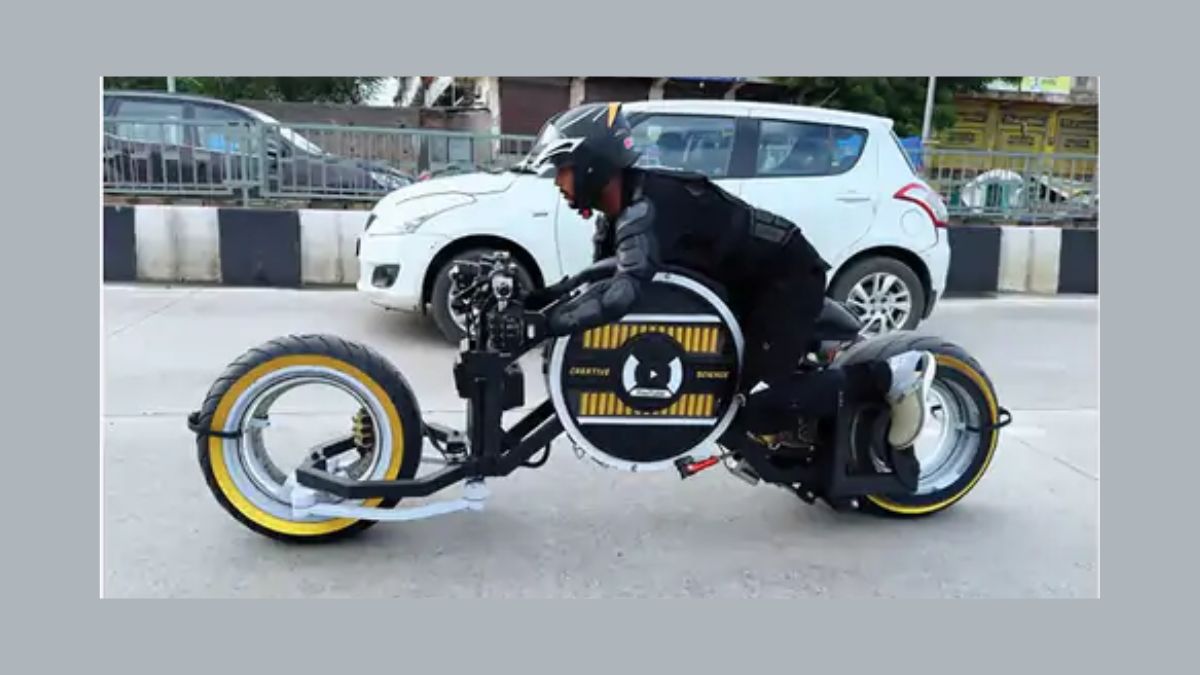
Surat Students Build India’s First AI Bike From Scrap!
Three Surat engineering students built Garuda, an AI-enabled electric bike prototype using nearly half scrap,...